



Dried kombu brings deep umami to Japanese dishes, from dashi broths to savory side dishes like tsukudani. It's essential for homemade dashikombu and kombu katsuobushi dashi. This article breaks down everything you need to know what dried kombu is, how to use it, and why it’s a quiet hero in cozy, comforting Asian cooking.
 Save
Table of Contents
What is Dried Kombu?
Dried kombu is a type of edible kelp, harvested from cold coastal waters mainly around Japan and Korea then dried to preserve it. It’s one of the essential ingredients in Japanese cuisine, especially for making dashi, a base stock used in soups, sauces, and rice dishes. Kombu brings natural umami, the savory fifth taste that deepens flavor without overpowering.
The most common type you'll find is dashikombu, which literally translates to "dashi kelp." It’s slightly white-dusted on the surface a sign of good quality, not mold. That white powder contains glutamic acid, the very compound that gives dried kombu seaweed its legendary umami depth.
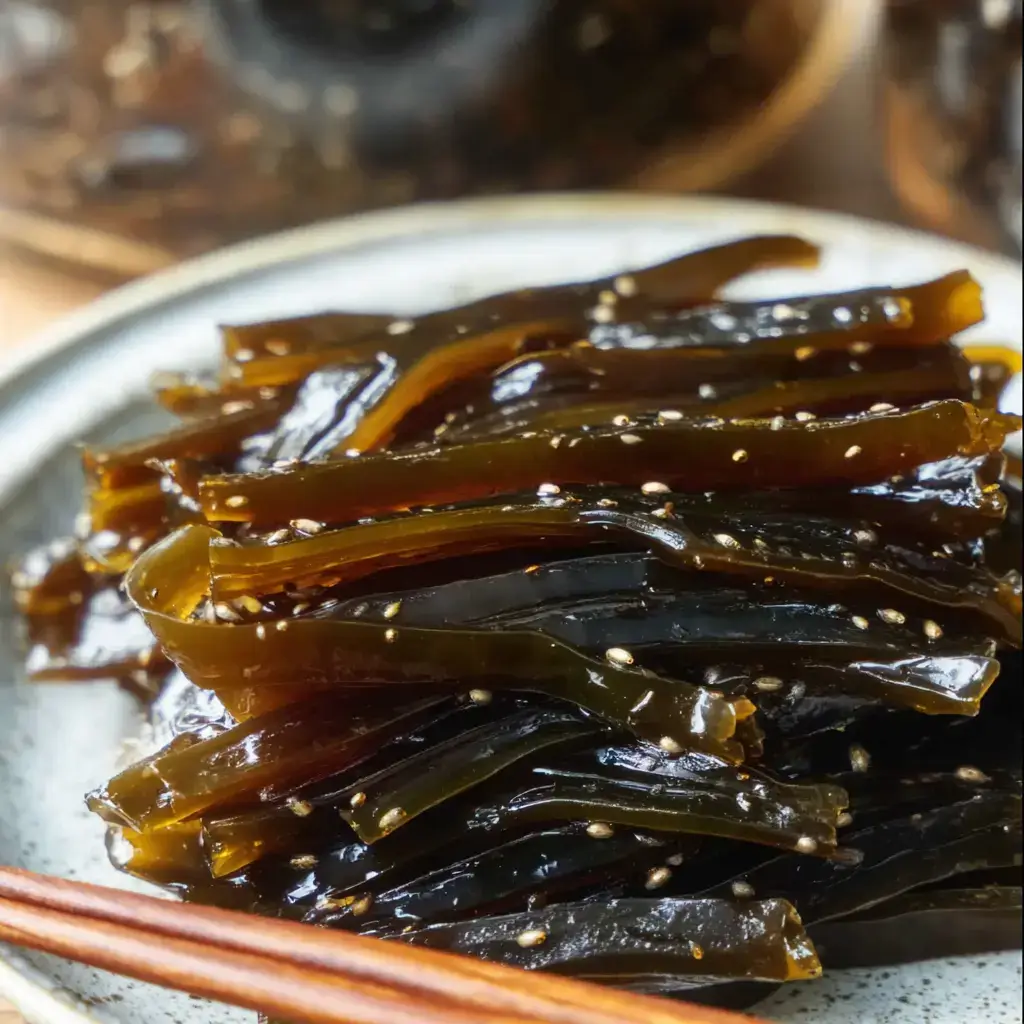
But kombu isn't just for broth. Once rehydrated, it becomes tender and chewy, making it perfect for dishes like Kombu Tsukudani a simmered condiment made with kombu that's sweet, salty, and absolutely addictive over rice.
In classic Japanese cooking, you’ll often see dried kombu used with bonito flakes (katsuobushi) to make kombu and katsuobushi dashi, a foundational stock that’s both delicate and flavorful.
What sets dried kombu apart from other seaweeds is its subtlety. It enhances rather than overwhelms like in this Red Thai Curry where depth matters more than boldness.
In short, dried kombu is the quiet backbone of Japanese kitchens and with just a little soaking and simmering, it can bring extraordinary flavor to your own meals too.
Why You’ll Love This
Dried kombu does something special in the kitchen it unlocks rich, savory flavor with almost no effort. You don’t need to be a trained chef to use it. All it takes is water and time, and suddenly your soup base tastes fuller, your rice more satisfying, and your side dishes pop with umami.
If you enjoy cozy meals like Slow Cooker Lemon Herb Chicken or warm bowls of Tteokbokki, you’ll love how dried kombu fits into your routine. It’s shelf-stable, affordable, and incredibly versatile.
You can use it to create kombu and katsuobushi dashi for broths, then repurpose the soft kombu into kombu tsukudani like our featured recipe. It’s the kind of ingredient that does double duty, adding value and reducing waste.
You’ll also love that it’s plant-based and full of minerals. For anyone trying to cook more whole foods or embrace Japanese-style meal prep, dried kombu seaweed offers both flavor and nutrition without fuss.
Once you try it, it becomes one of those pantry staples you’ll never want to run out of.
How to Make
Quick Overview
Kombu Tsukudani is a classic Japanese side dish made by simmering rehydrated dried kombu in soy sauce, mirin, sake, and sugar. The result? A sweet-salty umami bomb you’ll want to spoon over warm rice. It’s also a brilliant way to use up kombu leftover from making kombu katsuobushi dashi or dashikombu stock.
This dish keeps well in the fridge, making it a great meal-prep item alongside other make-ahead favorites like Garlic Parmesan Cheeseburger Bombs or Shrimp Po Boy.
Ingredients
- 2 sheets dried kombu (about 30g dried or 180g after soaking)
- 1½ cups water
- 2 tbsp sake
- 2 tbsp mirin
- 2 tbsp soy sauce
- 1 tsp dark soy sauce
- 1 tbsp sugar (adjust to taste)
- 2 tsp toasted sesame seeds
 Save
Step-by-Step
- Rehydrate the dried kombu overnight in water.
- Slice into thin strips once softened.
- In a pot, combine kombu, soaking water, sake, mirin, soy sauces, and sugar.
- Simmer for 15–20 minutes until the liquid reduces and coats the kombu.
- Stir in sesame seeds and let cool.
- Store in airtight containers in the fridge for up to two weeks.
What to Serve Dried Kombu With
Over Steamed Rice or Rice Bowls
Kombu Tsukudani was made for rice. A small spoonful over a bowl of hot steamed rice delivers massive flavor. It works well in simple meals or as part of a bento box-style lunch. You can also mix it into rice for quick onigiri (rice balls).
Pair it with a protein like Firecracker Steak and Shrimp or a soft-boiled egg for a quick, balanced meal. Its sweet-savory profile makes it an excellent topping on plain grains that need a punch of flavor.
Alongside Noodles or Light Proteins
Kombu tsukudani adds depth and balance to delicate proteins. Try it next to broiled tofu, grilled fish, or pan-seared chicken. It also shines when added to a bowl of udon or soba noodles.
If you’ve made a big pot of kombu and katsuobushi dashi, stir in a little tsukudani at the end for a sweet-salty finish. Or, serve it as a small condiment next to a dish like Velveeta Beef Pasta to add complexity and contrast.
Top Tips for Perfecting
Soak Your Kombu Overnight
To get the most tender texture from dried kombu seaweed, soak it overnight in cold water. This slow rehydration unlocks both its soft bite and savory flavor. While a quick soak can work in a pinch, an overnight soak delivers a better result especially if you plan to use the soaking liquid as part of a kombu katsuobushi dashi.
Once softened, kombu should slice easily and fold without cracking. If it still feels stiff, let it sit another hour or two.
Adjust Sweetness to Your Taste
Traditional tsukudani is often quite salty to act as a preserved condiment. But for home cooking, a touch more sugar makes it more enjoyable as a daily side dish. Taste while it simmers and adjust the balance.
Don’t be afraid to experiment with add-ins. You can mix in shiitake mushrooms soaked with the kombu or add chili flakes for heat. Pairing it with recipes like Mongolian Beef Sauce creates delicious contrast.
Keep an eye on the pot the sugars will reduce quickly near the end and can caramelize fast if left unattended.
Storing and Reheating Tips
Fridge Storage
Once your kombu tsukudani is fully cooled, transfer it to an airtight glass container or clean jar. It keeps well in the refrigerator for up to 2 weeks. Because it’s simmered in soy and sugar, it acts like a natural preservative similar to pickles or miso-based sides.
For best results, store it in smaller portions so you only take out what you need. This reduces exposure to air and keeps the texture and taste consistent.
If you’ve used leftover kombu from making dashikombu, this method ensures nothing goes to waste while adding long-lasting flavor to your meals.
How to Reheat or Serve
Kombu tsukudani doesn’t need to be reheated before serving. You can spoon it straight from the fridge onto warm rice, noodles, or vegetables.
If you'd prefer it warm, heat a spoonful gently in a dry pan for 1–2 minutes just until it loosens. Avoid microwaving, which can dry out the texture or overcook the sugars.
You can also use it as a secret seasoning in quick stir-fries or sauces like Red Thai Curry for a sweet umami twist.
FAQs
How do you use dried kombu?
How long to boil dried kombu?
Do I need to soak kombu?
What is the ratio of kombu powder to water?
Can I customize this recipe with different ingredients?
Dried kombu might look simple, but don’t let appearances fool you it’s the heart of many deeply satisfying Japanese dishes. From making delicate kombu and katsuobushi dashi to transforming leftovers into bold-flavored tsukudani, it’s a pantry staple worth embracing.
You now know how to use, store, and enjoy this powerhouse ingredient. Whether you're a beginner or already making your own broths, dried kombu adds that crave-worthy umami you just can't get from anything else.
Ready to bring umami into your kitchen? Start with this savory Hot and Sour Soup and explore the magic of kombu!
Let’s cook something unforgettable follow along on Facebook or get inspired on Pinterest.
Dried Kombu
Print recipeSaveThis Kombu Tsukudani is a traditional Japanese side dish using rehydrated dried kombu, simmered in soy, mirin, and sugar for a sweet-savory finish.
- Prep time
- 10 minutes
- Cook time
- 20 minutes
- Total time
- 30 minutes
- Yield
- 4 servings
Ingredients
2 sheets dried kombu (about 30g dried) 1½ cups water 2 tbsp sake 2 tbsp mirin 2 tbsp soy sauce 1 tsp dark soy sauce 1 tbsp sugar 2 tsp toasted sesame seedsInstructions
- Rehydrate kombu overnight in cold water.
- Slice into thin strips.
- In a pot, add kombu, water, sake, mirin, soy sauces, and sugar.
- Simmer for 15–20 minutes until liquid reduces and coats kombu.
- Stir in sesame seeds.
- Cool and store in airtight container.
Notes
If kombu is still tough after simmering, add 2–3 tbsp more water and continue cooking. Flavor balance can be adjusted by adding more sugar or soy sauce to taste.Nutrition
- Calories
- 41
- Fat
- 1g
- Saturated fat
- 1g
- Sugar
- 5g
- Sodium
- 659mg
- Protein
- 1g
- Carbohydrates
- 8g
- Fiber
- 1g
Comments
Leave a comment