



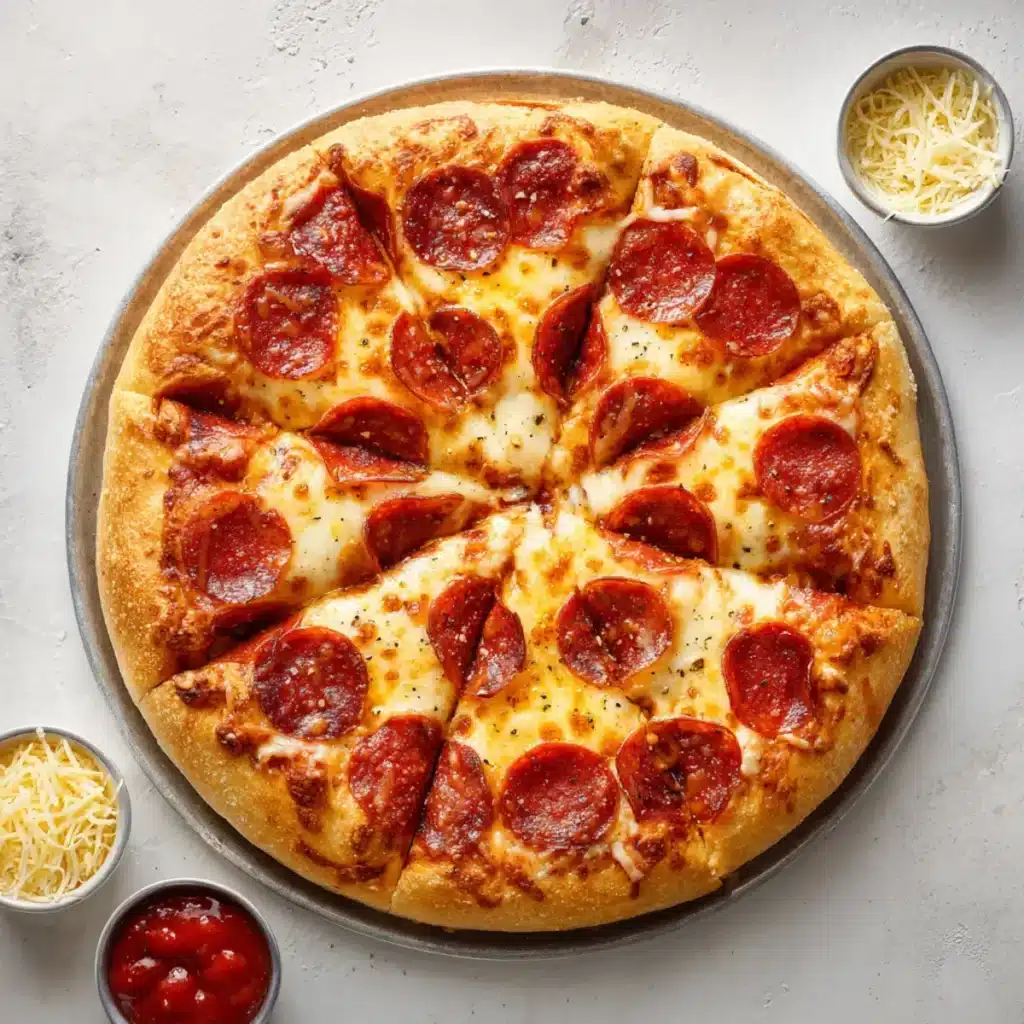
This Gluten Free Pizza Crust Recipe creates a crisp, chewy base that works with nearly any gluten-free flour blend, giving you a reliable dough that rises well and bakes evenly every time. It’s simple to prepare, flexible for toppings, and perfect for home cooks who want consistent texture without complicated steps.
 Save
This explains how to make a gluten-free pizza crust correctly.
What Is a Gluten Free Pizza Crust Recipe?
A gluten free pizza crust recipe replaces wheat flour with gluten-free flour blends and uses binders like psyllium husk to mimic elasticity. Traditional dough gains strength from gluten; gluten-free dough gains structure from hydration, fiber, and heat. Instead of kneading, this dough mixes into a thick batter-like consistency and firms up through a staged baking process.
This gluten free pizza crust recipe stands apart because it produces a crust strong enough to hold toppings without tearing. The psyllium husk creates chewiness, almond flour adds richness, and baking powder encourages lift. Unlike many gluten-free crusts that bake pale or soft, this formula browns beautifully and delivers firm edges that don’t collapse.
Some gluten-free doughs rely heavily on starches, which cause gumminess. Others dry out. The combination used here avoids both extremes, making this recipe consistent and dependable for cooks of all levels.
Why You’ll Love This Gluten-Free Crust
You’ll appreciate the crisp bottom and chewy bite qualities many gluten-free pizzas fail to achieve. Parbaking ensures the crust sets firmly before toppings go on, preventing sogginess. The dough presses easily into shape, making it ideal for home pizza nights.
Another reason to love this crust is its versatility. It pairs with everything from simple mozzarella to bold Mediterranean toppings. If you enjoy savory appetizers, you’ll see how well this crust complements richly seasoned plates like the crispy fried brie with pepper honey and herb olives. The gentle chew of the crust mirrors the savory balance of that recipe beautifully.
For family-themed gatherings, this dough also connects effortlessly with festive creations like the pizza-inspired breadsticks shaped like candy canes, offering a playful take on pizza nights. It’s flexible enough for classic toppings, yet sturdy enough for heavier combinations.
Whether you’re finishing with vegetables, chicken, cheese, or herbs, this crust provides a balanced foundation that enhances every flavor layered on top.
How to Make This Gluten-Free Pizza Crust
Quick Overview
This dough comes together in a series of straightforward steps:
- Activate the yeast
- Combine dry ingredients
- Mix into a thick dough
- Let rise
- Shape with wet hands
- Parbake
- Top and bake again
The dough should resemble thick cookie dough not traditional kneadable pizza dough.
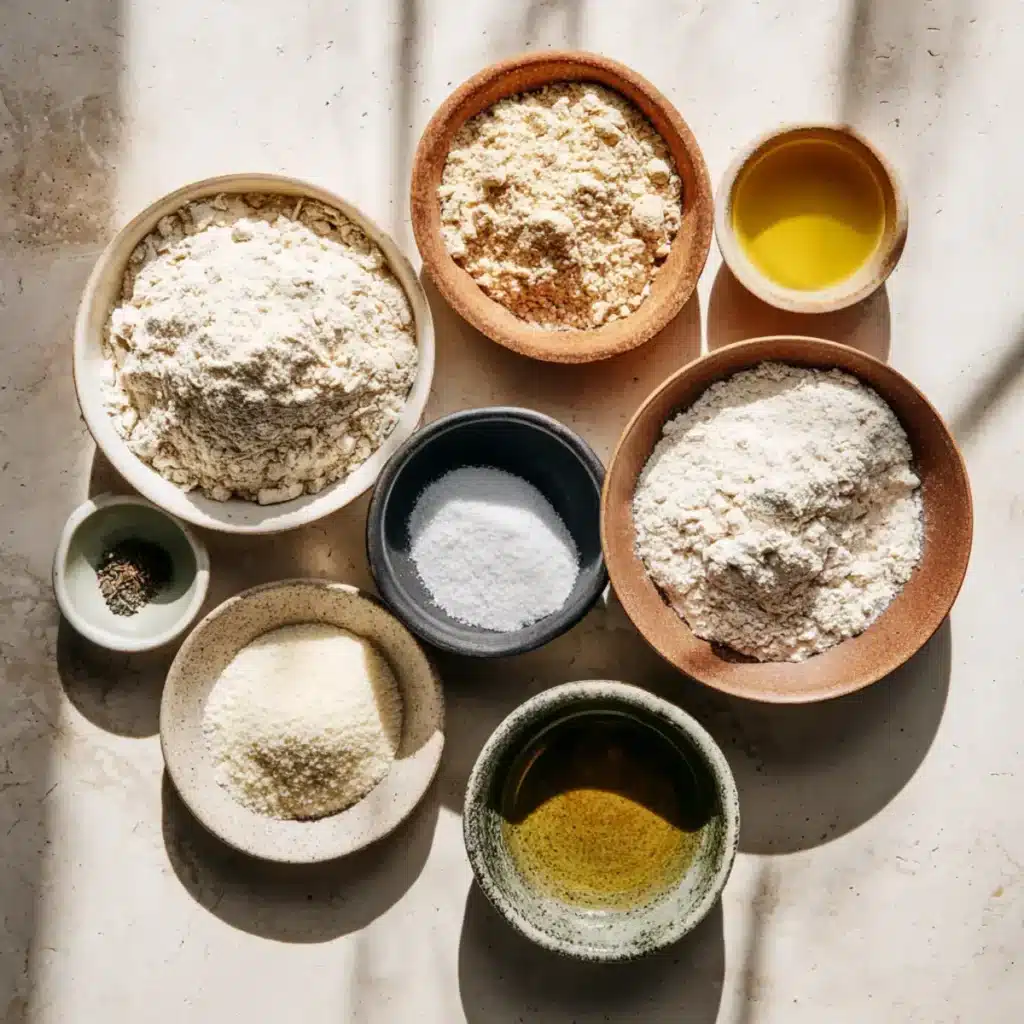
Ingredients
 Save
Yeast Mixture
- 1 cup warm water (about 110°F)
- 1 tablespoon sugar
- 1 1/2 teaspoons instant yeast
Dry Ingredients
- 1 1/2 cups (225g) gluten-free measure-for-measure flour
- 1/4 cup almond flour
- 1 tablespoon psyllium husk powder
- 1 teaspoon baking powder
- 3/4 teaspoon salt
Additional
- 2 tablespoons olive oil
Step-by-Step Instructions
Activate the Yeast
Combine warm water, sugar, and yeast in a measuring cup. Stir and let sit for 5–10 minutes until foamy. This step ensures proper lift in the dough.
Mix the Dry Ingredients
Add gluten-free flour, almond flour, psyllium husk, baking powder, and salt to a mixer fitted with a paddle attachment.
Combine Wet and Dry Ingredients
With the mixer running on low, slowly pour in the yeast mixture and olive oil. Increase to medium-high and mix for five minutes. Expect sticky, thick dough normal for gluten-free mixes.
Even Out the Dough
Scrape down the bowl with an oiled spatula. Mix briefly to ensure uniform texture.
First Rise
Transfer dough to a prepared pan, smoothing with wet hands. Cover loosely with lightly oiled plastic wrap and let rise for 45–60 minutes.
Heat the Oven
Place a pizza steel or stone inside and preheat the oven to 425°F. Gluten-free dough needs more heat on the bottom to crisp properly.
Shape the Dough
Using wet hands, press dough into a 12-inch circle over parchment-lined pan. Press it thin the crust will thicken slightly during baking. Let rise 10 minutes.
Parbake
Bake the plain crust for 15–20 minutes. Parbaking ensures a crisp base and prevents soggy centers.
Add Toppings
Remove from oven and add your desired toppings. Slide the dough off the parchment and directly onto the hot steel.
Final Bake
Bake 10–15 minutes more until the toppings bubble and edges turn golden. Cool five minutes before slicing.
What to Serve This Pizza Crust With
Pizza nights pair wonderfully with bold, savory sides. If you're looking for contrast, the warmly spiced Cajun-style garlic Parmesan chicken spaghetti creates a flavorful complement to the crisp crust.
For fresh balance, Mediterranean-style plates like the Greek chicken wraps with cooling yogurt sauce bring vibrant herbs and tangy elements that brighten the meal.
If you prefer something cheesy and cozy, the flavors in the sun-dried tomato and ricotta grilled cheese mirror the flavors often found on pizza making it a natural pairing.
Hearty dishes like the sourdough pull-apart bread stuffed with brie and garlic herb butter offer comfort-food depth, and while wheat-based, they provide great inspiration for topping combinations.
The crust’s neutral, sturdy texture supports everything from classic marinara to gourmet toppings, making it ideal for diverse menu styles.
Top Tips for Perfecting Gluten-Free Pizza Dough
Hydrate the Dough More Than You Think
Gluten-free flour absorbs more water. If the dough looks too stiff, add a tablespoon of warm water.
Always Use Psyllium Husk
It binds the ingredients and gives the dough chewiness similar to wheat-based crusts.
Parbake to Ensure Crispness
Skipping this step leads to sogginess. Parbaking sets the foundation.
Use High Heat for Better Browning
A stone or steel creates rapid heat transfer, improving color and structure.
Shape With Wet or Oiled Hands
Gluten-free dough sticks easily; water prevents tearing.
Adjust Flour Based on the Brand
Every flour blend differs. Add flour gradually only if the dough is excessively loose.
Storing and Reheating Tips
Refrigerator Storage
Parbaked crust stays fresh for up to three days when wrapped tightly.
Freezing Instructions
Freeze parbaked, not raw dough. Cool completely, then wrap well. Reheat on a hot stone from frozen for best results.
Reheating Slices
Bake leftovers at 400°F for 5–7 minutes to recover crisp texture.
Meal Prep Advantage
Prepare two crusts, freeze one, and enjoy effortless pizza nights later.
FAQs
What gluten-free flour can I use for pizza dough?
What are common mistakes when making gluten-free dough?
Can you make your own gluten-free pizza dough?
What is the main ingredient in the dough of a gluten-free pizza?
Can I make this recipe ahead of time?
This gluten free pizza crust recipe gives you a crisp, chewy, reliable base that rivals traditional wheat crusts. With the right flour blend, proper hydration, and a two-stage baking method, you can create homemade pizza that holds toppings beautifully and tastes richly satisfying. Whether pairing it with bold sides or building your own flavor combinations, this crust fits seamlessly into your dinner routine.
For more kitchen inspiration, follow along on Facebook and Pinterest. This crust is a dependable foundation for gluten-free pizza nights that feel just as rewarding as the traditional version.
Gluten Free Pizza Crust Recipe
Print recipe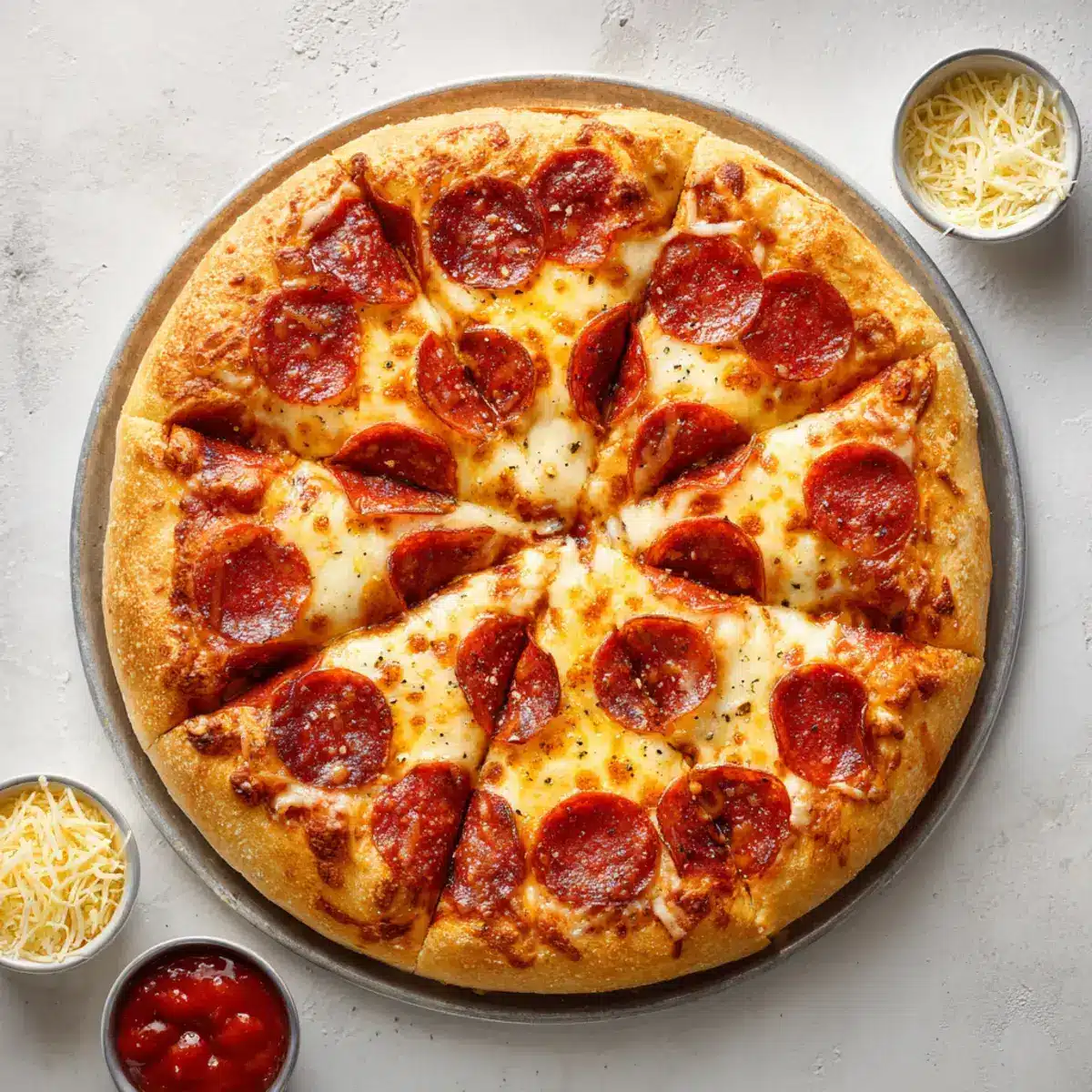 Save
A crisp, chewy gluten-free pizza crust that works with almost any gluten-free flour blend. This recipe creates a sturdy base, great rise, and golden color while staying easy enough for any home cook to prepare.
- Prep time
- 30 minutes
- Cook time
- 35 minutes
- Total time
- 1 hour 5 minutes
- Yield
- 4 servings
Ingredients
1 cup warm water (110°F) 1 tablespoon sugar 1 1/2 teaspoons instant yeast 1 1/2 cups (225g) gluten-free measure-for-measure flour 1/4 cup almond flour 1 tablespoon psyllium husk powder 1 teaspoon baking powder 3/4 teaspoon salt 2 tablespoons olive oilInstructions
- Activate: Combine warm water, sugar, and yeast; let foam 5–10 minutes.
- Mix Dry: Add gluten-free flour, almond flour, psyllium husk, baking powder, and salt to a mixer.
- Combine: Slowly add yeast mixture and olive oil; mix on medium-high for 5 minutes.
- Smooth: Scrape bowl and mix again briefly.
- Rise: Spread dough in pan with wet hands; cover and rise 45–60 minutes.
- Preheat: Heat oven with pizza stone at 425°F.
- Shape: Press dough thinly into a 12-inch round; rise 10 minutes.
- Parbake: Bake crust alone 15–20 minutes.
- Top: Add toppings and slide onto pizza stone.
- Finish Bake: Cook 10–15 minutes until bubbling and crisp.
Notes
Dough resembles thick cookie dough; this is normal. Add extra flour only if dough is overly loose. Parbaking ensures crisp bottoms every time. Works with most major gluten-free flour blends. To freeze: Parbake, cool completely, then freeze. Raw dough does not freeze well.Nutrition
- Calories
- 443
- Fat
- 17
- Saturated fat
- 2
- Sugar
- 8
- Sodium
- 885
- Protein
- 11
- Carbohydrates
- 69
- Fiber
- 13
Comments
Leave a comment