



Marble rye bread recipe brings bold flavor and swirled beauty to your baking. This easy-to-follow guide helps you create a bakery-style loaf at home, combining two rye doughs one light, one dark into a sliceable masterpiece. Whether you’re making sandwiches or toasting with butter, marble rye delivers rustic satisfaction and depth in every bite.
 Save
Table of Contents
What is Marble Rye Bread Recipe
Marble rye bread is a distinctive loaf made by swirling together two contrasting rye doughs: one pale and slightly sweet, the other dark and rich. The result? A beautiful, bakery-style bread with deep flavor and rustic charm. The dark dough typically contains molasses and a touch of cocoa powder, while the light dough is honey-kissed and mellow. Both include caraway seeds, adding that unmistakable deli-bread aroma and subtle spice. What makes this recipe special is its sourdough foundation no commercial yeast here. The slow fermentation adds complexity, chewiness, and a naturally tangy finish. While it might look complicated, the technique is approachable and rewarding. Each slice showcases the swirling pattern, making it ideal for sandwiches or simply toasted with butter. This recipe is perfect for those who want to elevate their baking without fuss. If you enjoy layering textures like in my cheesecake and brownie cake, marble rye will satisfy your kitchen creativity. And if you’re into easy bakes, don’t miss my cinnamon roll in a mug a cozy microwave treat.
Why You’ll Love This
There’s something comforting about slicing into a homemade marble rye bread recipe. The swirl isn’t just for show it’s a flavor journey. One bite gives you the earthy depth of dark rye and the soft sweetness of light dough. Together, they form the perfect canvas for everything from buttered toast to loaded deli sandwiches.
What makes this version even more loveable? It’s sourdough-based. That means no commercial yeast, just the slow, natural rise that delivers unmatched texture and tang. You’ll also appreciate the simplicity. It’s hands-on but never overwhelming a perfect weekend project with impressive results.
The doughs are forgiving, the rise is satisfying, and the end result is downright stunning. The caraway seeds give each slice a signature zing that pairs beautifully with sharp cheeses or savory meats.
And if you’re already into layered flavor experiences, try my no-bake orange creamsicle cheesecake another recipe that balances contrast with comfort. Or for quick satisfaction, my high-protein cheesecake jars make a great no-bake treat to pair with your fresh loaf.
How to Make Marble Rye Bread Recipe
Quick Overview
This marble rye bread recipe blends two doughs light and dark for a beautiful swirl effect and rich flavor. You’ll start by mixing each dough separately, let them rise, then roll, stack, and shape before baking. The recipe uses sourdough for a chewy, flavorful loaf without commercial yeast. Total prep and rest time is about 7 hours, but it’s mostly hands-off.
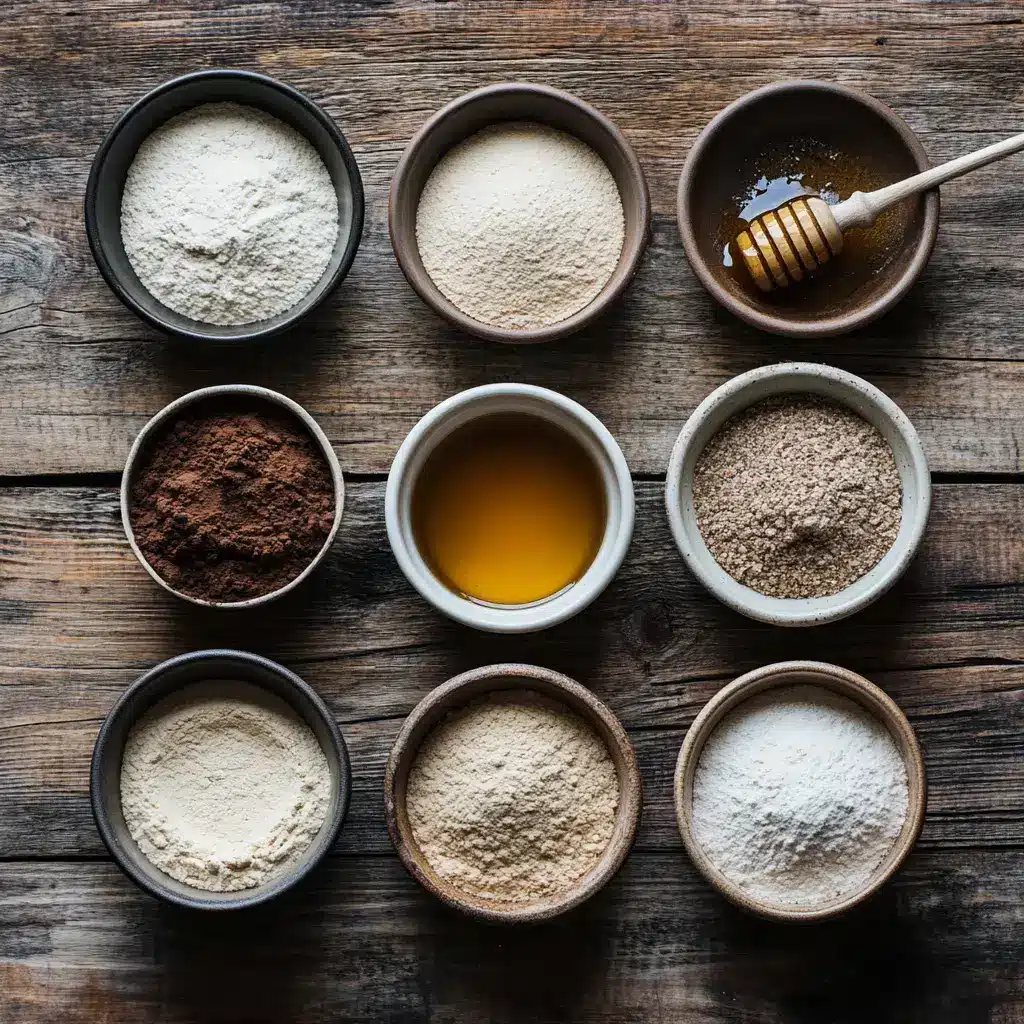
Ingredient
For the Light Dough:
1 tsp caraway seeds
85g rye flour
165g bread flour
55g mature sourdough starter
130g water
5g salt
15g butter
10g honey
 Save
For the Dark Dough:
1 tsp caraway seeds
85g rye flour
165g bread flour
55g mature sourdough starter
130g water
5g salt
15g butter (softened)
10g molasses
½ tsp dark cocoa powder
Want more no-fuss dough ideas? My no-bake cheesecake with Philadelphia is a silky, quick treat worth bookmarking.
Step-by-Step
- In separate bowls, mix ingredients for light and dark doughs. Knead each for 8–10 minutes until smooth.
- Cover both doughs and let rise at room temp for 4–6 hours until nearly doubled.
- Shape each dough into a rectangle (approx. 10x8 inches).
- Stack one on top of the other. Roll tightly from the short edge into a swirl.
- Place seam-side down into a greased loaf pan or bake free-form.
- Proof covered for 2 more hours until puffy.
- Preheat oven to 425°F (220°C). Score the top.
- Bake for 15 minutes, reduce to 400°F (205°C), and bake 20–25 more minutes.
- Cool fully on a wire rack before slicing.
What to Serve Marble Rye Bread Recipe With
This marble rye bread recipe is more than just a loaf it’s a base for bold, memorable meals. Its firm texture and rich, slightly tangy taste make it ideal for hearty sandwiches. Try it with pastrami, corned beef, or sharp cheddar. Add spicy mustard or pickles, and you’ve got a classic deli combo that never disappoints.
Want something cozy and simple? Toast a slice, spread on some good salted butter, and enjoy it with your morning eggs or alongside a hot soup. It’s perfect with lentil stew, tomato bisque, or a creamy chowder.
For a fun twist, cube the bread, toss it with olive oil, and bake into croutons. They’re excellent over Caesar salads or roasted veggie bowls.
If rustic meals are your thing, try serving this bread with garlic parmesan cheeseburger bombs or alongside baked sweet potatoes for a satisfying, homey dinner.
Top Tips for Perfecting Marble Rye Bread Recipe
Let time do the work. This sourdough-based marble rye recipe shines when you give it room to rise slowly. Don’t rush fermentation the long proof develops that chewy texture and signature tang.
Handle rye with care. Rye flour doesn’t develop gluten the same way wheat does, so the dough can feel sticky. Letting it rest before kneading (autolyse) makes it easier to work with.
Keep the layers tight. When stacking and rolling the two doughs, shape them evenly and roll tightly. This creates that perfect swirl without air pockets.
Steam is your friend. To get a crusty exterior, add a pan of water to the oven or spritz it with water just before baking. It helps the loaf rise fully before the crust sets.
Cool completely before slicing. This one’s tough but essential. Letting the loaf rest ensures the crumb sets properly and gives you clean, marbled slices.
If you enjoy recipes that require a little rhythm and patience, my high-protein mug cake is a fun one to try quick but still packed with texture and flavor.
Storing and Reheating Tips
To keep your marble rye bread recipe fresh, store the cooled loaf wrapped in a clean towel or place it in a paper bag. This keeps the crust crisp and the interior soft. It’ll stay good at room temperature for up to 3 days.
Avoid plastic wrap unless you prefer a softer crust. For longer storage, slice the bread and freeze it in a freezer-safe bag. You can then pull out individual slices as needed and reheat them in a toaster or oven.
To reheat without drying it out, lightly spritz the slice with water and toast at 350°F for about 5 minutes. It revives that just-baked flavor and texture beautifully.
Want to turn leftovers into something new? Toast it with garlic butter for quick croutons or use slices as a base for open-faced melts. This bread also makes a stellar grilled cheese or Reuben sandwich.
Need more comfort food with staying power? Try my no-bake cheesecake with Philadelphia for a creamy, chill-and-serve option that holds up beautifully in the fridge.
FAQs
What is the difference between rye bread and marble rye bread?
Is marble rye a healthy bread?
What ingredients are in marble rye bread?
What is the dark part of marble rye?
Why is my marble rye bread not marbled enough?
Baking your own marble rye bread recipe isn’t just about getting that stunning swirl it’s about slowing down, working with your hands, and letting simple ingredients come to life. This bread brings comfort, character, and that little spark of bakery magic into your kitchen.
Every slice tells a story of the time you gave it to rise, the patience you practiced while kneading, and the love you poured into layering those doughs. Whether it’s for sandwiches, toast, or just a warm, buttery bite, marble rye is deeply rewarding.
Want more cozy, satisfying recipes?
📌 Follow along on Pinterest for real-life meal inspiration and food styling ideas.
📷 Join me on Facebook where I share behind-the-scenes baking, kitchen tricks, and comfort food moments.
Marble Rye Bread
Print recipeSaveA stunning swirled marble rye bread made with sourdough, molasses, cocoa, and caraway. Bakery texture, deep flavor, no commercial yeast.
- Prep time
- 20 minutes
- Cook time
- 40 minutes
- Total time
- 7 hours
- Yield
- 1 loaf (12 slices)
Ingredients
Light Dough:
85g rye flour
165g bread flour
55g sourdough starter
130g water
5g salt
15g butter
10g honey
1 tsp caraway seeds
Dark Dough:
85g rye flour
165g bread flour
55g sourdough starter
130g water
5g salt
15g butter
10g molasses
½ tsp dark cocoa powder
1 tsp caraway seeds
Instructions
- Mix each dough in separate bowls, knead 8–10 mins
- Cover and let rise 4–6 hours at room temp
- Shape each into rectangle, stack, and roll tightly
- Place in pan or freeform, proof 2 more hours
- Preheat oven to 425°F, score the top
- Bake 15 mins at 425°F, then reduce to 400°F for 20–25 mins
- Cool completely on wire rack before slicing
Notes
Rising slowly enhances flavor
Dark dough is not chocolatey just rich in color
Freeze sliced, wrapped tightly for best results
Nutrition
- Calories
- 170
- Fat
- 4g
- Saturated fat
- 2g
- Sugar
- 2g
- Sodium
- 180mg
- Protein
- 4g
- Carbohydrates
- 28g
- Fiber
- 2g
Comments
Leave a comment