



This Passover Seder Plate brings back one of my earliest kitchen memories standing beside my family, carefully placing each symbolic food in its spot. The passover seder plate isn’t just a tradition; it tells a story you can see and taste. Over time, I’ve learned how simple ingredients come together to create something deeply meaningful and beautifully shared.
 Save
A clear, step-by-step guide to preparing a traditional Passover Seder Plate with meaning and ingredients explained.
What is Passover Seder Plate
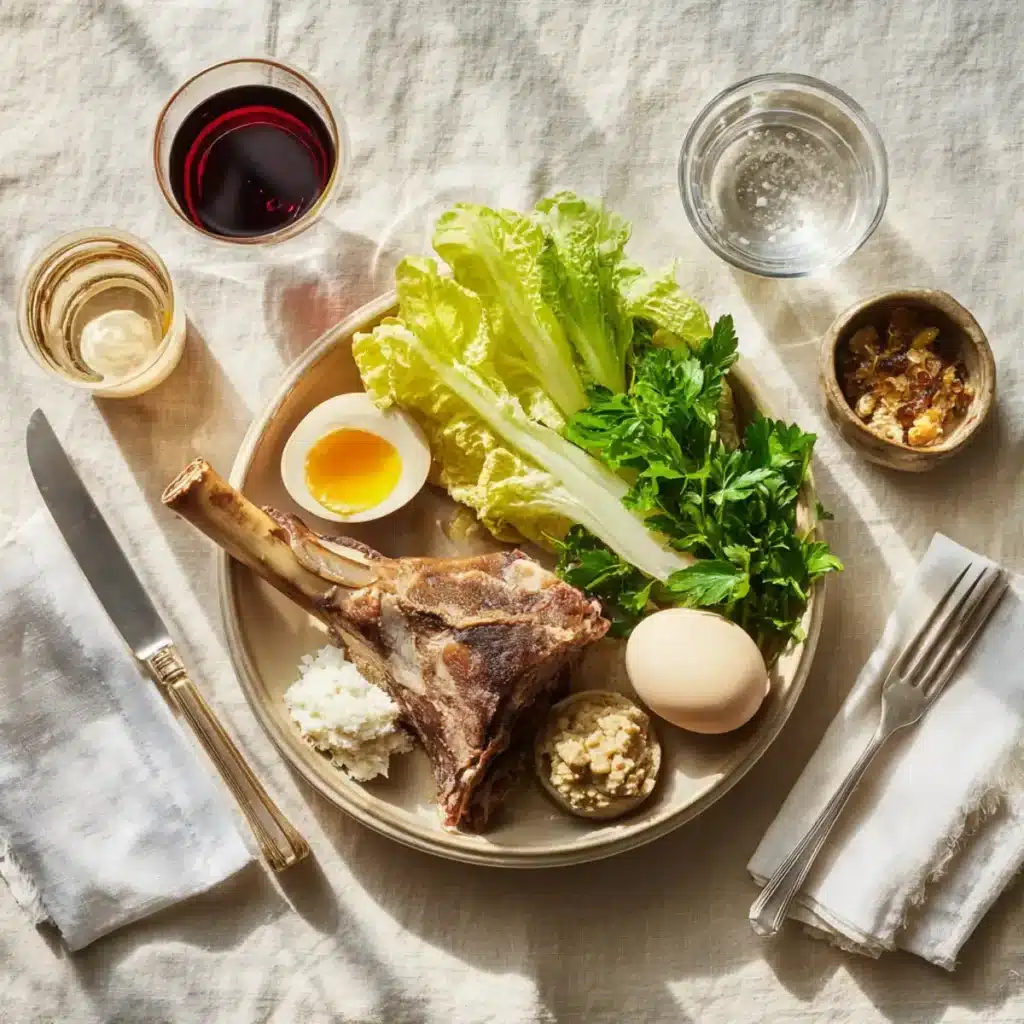
The passover seder plate is the heart of the Jewish Passover meal. It holds symbolic foods that represent key parts of the Exodus story. Families gather around it during the Seder, following traditions that have been passed down for generations.
You’ll often hear it called a jewish passover seder plate, and while styles may vary slightly, the meaning remains the same. Each item on the plate connects to a specific moment in history, making the meal both reflective and interactive.
The Meaning Behind the Passover Seder Plate
The passover seder plate meaning centers on remembrance, freedom, and renewal. Every item plays a role:
| Item | Symbolism |
|---|---|
| Zeroa (Shank Bone) | Represents the Passover sacrifice |
| Beitzah (Egg) | Symbolizes mourning and renewal |
| Maror (Bitter Herbs) | Reflects the bitterness of slavery |
| Charoset | Represents mortar used by enslaved people |
| Karpas | Symbolizes spring and hope |
| Chazeret | Additional bitterness |
| Salt Water | Represents tears |
Because of this, the passover seder plates become more than food they become a visual story.
A Tradition That Feels Personal
Every family sets up their passover sedar plate a little differently. Some use heirloom plates. Others keep it simple with everyday dishes. I still remember my grandmother insisting everything had its “right place,” and honestly, that sense of order makes the experience feel special.
Why You’ll Love This
This isn’t just another recipe. It’s a meaningful, approachable way to connect food with tradition.
Simple Ingredients, Deep Meaning
You don’t need complicated steps. Most items are basic and easy to prepare. For example, while planning your Seder meal, you might pair it with something comforting like this classic chicken noodle soup to round out the table.
Perfect for Beginners and Families
If you’ve never made a passover seder plate, this guide keeps everything clear and manageable. It works whether you’re hosting your first Seder or continuing a long-standing tradition.
Flexible and Customizable
Traditions vary. Some families prefer a vegetarian option. Others include regional touches. You can easily adjust while still honoring the meaning behind the plate.
How to Make
Quick Overview
You’ll prepare each symbolic food separately, then arrange everything neatly on a large plate. While it may look detailed, the process stays simple and structured.
Ingredients
 Save
Core Seder Plate Items
| Ingredient | Quantity |
|---|---|
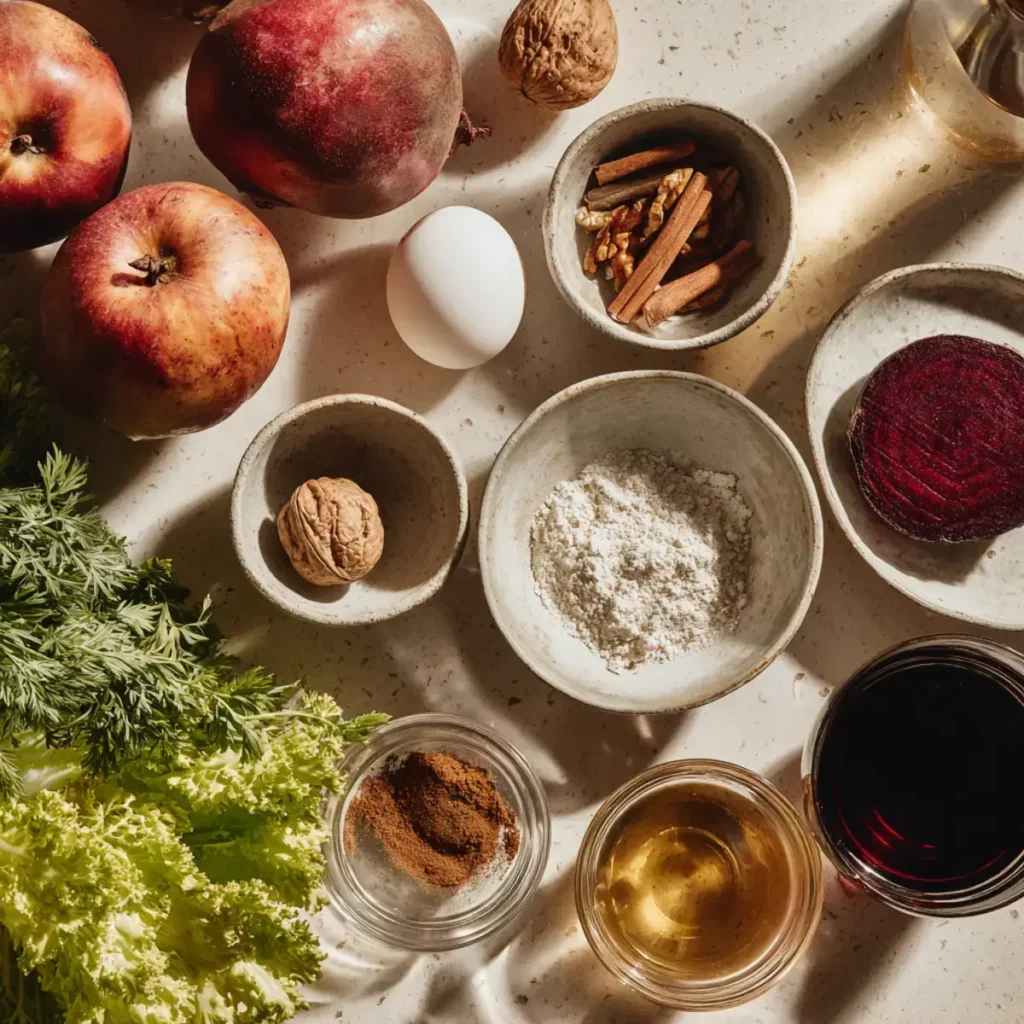
| Lamb shank bone (or beet) | 1 |
| Egg | 1 large |
| Horseradish | 2 tbsp |
| Romaine lettuce | 1 cup |
| Charoset | 2 tbsp |
| Parsley or potato | Small bunch / 1 |
| Salt water | 1 cup |
Charoset Ingredients
- 2 medium apples, finely chopped
- 1/4 cup walnuts, crushed
- 1–2 tablespoons sweet red wine or grape juice
- 1 teaspoon cinnamon
- 1 teaspoon honey (optional)
Step-by-Step
Step 1: Prepare the Zeroa
Preheat oven to 400°F. Roast the shank bone or beet for 30–40 minutes until browned.
Step 2: Cook the Egg
Boil for 10 minutes, cool, peel, and set aside.
Step 3: Prepare the Maror
Grate fresh horseradish or use prepared.
Step 4: Prepare the Chazeret
Wash and dry romaine lettuce.
Step 5: Prepare the Karpas
Use fresh parsley or boil a small potato.
Step 6: Make Salt Water
Mix salt with water until dissolved.
Step 7: Make Charoset
Combine apples, walnuts, wine, cinnamon, and honey. Let sit for 10–15 minutes.
Step 8: Assemble the Plate
Arrange in traditional order:
- Top: Zeroa
- Top right: Egg
- Center: Charoset
- Bottom right: Maror
- Bottom left: Chazeret
- Top left: Karpas
Place salt water beside the plate.
What to Serve Passover Seder Plate With
The Seder Plate is symbolic, but your meal can include comforting dishes.
Light and Fresh Pairings
A crisp side like this fresh holiday salad idea adds balance to the meal. It keeps things bright and refreshing.
Bread Alternatives
While traditional bread isn’t served during Passover, outside the Seder you might enjoy something like these soft baked pretzels for a cozy addition.
Drinks That Complement
A refreshing beverage such as this cranberry orange punch pairs nicely with the flavors and keeps the table lively.
Top Tips for Perfecting
Keep It Organized
Presentation matters. Place each item carefully. It helps everyone follow the story during the Seder.
Prep Ahead
You can prepare charoset in advance. It actually tastes better after resting.
Use Fresh Ingredients
Fresh herbs and apples make a noticeable difference in flavor and texture.
Balance Tradition and Comfort
While tradition guides the setup, you can still serve comforting dishes like this honey cranberry chicken bake alongside your meal.
Storing and Reheating Tips
Charoset Storage
Store in the fridge for up to 3 days in an airtight container.
Eggs and Herbs
Keep eggs refrigerated for up to a week. Use herbs the same day for best freshness.
Leftover Ideas
You can reuse ingredients in simple meals. For example, eggs can go into dishes like these fluffy egg muffins.
FAQs
what is on a passover seder plate?
what goes on the passover seder plate?
what is on the seder plate for passover?
what is a passover seder plate?
what is on a seder plate for passover?
Bringing a passover seder plate to your table creates more than a meal it creates a shared moment filled with meaning. Each item you prepare carries history, and when you place them together, you build a story that connects generations in a simple, tangible way.
As you gather around the table, the experience becomes even more special. The symbols guide conversation, reflection, and connection. Whether you follow every tradition closely or add your own family touches, the heart of the seder remains the same remembering, sharing, and being present together.
What makes this tradition so powerful is how approachable it feels. You don’t need complicated techniques or rare ingredients. Instead, you rely on simple foods arranged with intention. That balance between ease and meaning is what keeps the passover seder plate so timeless.
Over the years, you may adjust small details to fit your home, your schedule, or your taste. That’s part of the beauty. Traditions grow with you, and each seder becomes a little more personal while still honoring its roots.
If you want more simple, comforting ideas and inspiration for your table, you can follow along on Facebook or browse fresh recipe ideas on Pinterest. These spaces are filled with everyday dishes that make gathering around food feel easy and enjoyable.
Now it’s your turn. Gather your ingredients, set your plate, and bring this meaningful tradition to life in your own kitchen.
Passover Seder Plate: Complete Meaningful Guide for Your Table
Print recipe Save
A traditional passover seder plate prepared with symbolic foods that represent the Exodus story. This step-by-step guide shows how to prepare, arrange, and understand each meaningful element for a complete and authentic Seder experience.
- Prep time
- 25 minutes
- Cook time
- 40 minutes
- Total time
- 1 hour 5 minutes
- Yield
- 4-8 servings
Ingredients
1 lamb shank bone (or 1 medium beet) 1 large egg 2 tablespoons horseradish 1 cup romaine lettuce 2 tablespoons charoset 1 small bunch parsley or 1 boiled potato 1 cup water 1 tablespoon salt Charoset: 2 apples chopped 1/4 cup walnuts 1–2 tablespoons wine or grape juice 1 teaspoon cinnamon 1 teaspoon honeyInstructions
- Step 1: Roast the shank bone or beet at 400°F for 30–40 minutes until browned.
- Step 2: Boil the egg for 10 minutes, cool, peel, and set aside.
- Step 3: Prepare bitter herbs by grating fresh horseradish or using prepared.
- Step 4: Wash and dry romaine lettuce for chazeret.
- Step 5: Prepare karpas using parsley or boiled potato.
- Step 6: Mix salt with water until dissolved to create salt water.
- Step 7: Combine apples, walnuts, wine, cinnamon, and honey to make charoset.
- Step 8: Arrange all items on a plate in traditional order.
Notes
Use fresh ingredients for best flavor. Prepare charoset ahead for deeper taste. Keep arrangement neat for tradition. Use beet instead of bone for vegetarian version.Nutrition
- Calories
- 180
- Fat
- 9g
- Saturated fat
- 2g
- Sugar
- 8g
- Sodium
- 320mg
- Protein
- 6g
- Carbohydrates
- 18g
- Fiber
- 3g
Comments
Leave a comment
Your email will not be published. New comments are reviewed before appearing.