



Disclaimer
The information in this article is for educational purposes only and does not constitute medical advice. Peptide therapies, including GLP-1 receptor agonists, are prescription medications that must be prescribed and supervised by a licensed healthcare provider. The dietary suggestions and recipes on this site are not a substitute for professional medical guidance. Always consult your doctor or a registered dietitian before making significant changes to your diet, especially if you are managing a medical condition or taking any medication or supplement.
⚕️ Medical Disclaimer: This article is for informational and entertainment purposes only and does not constitute medical advice. The recipes and information on this page are not intended to diagnose, treat, cure, or prevent any disease or health condition. Any references to medical professionals, public figures, or research are for context only and do not imply endorsement. Always consult a qualified healthcare provider before making changes to your diet, especially if you have a medical condition or take medication.
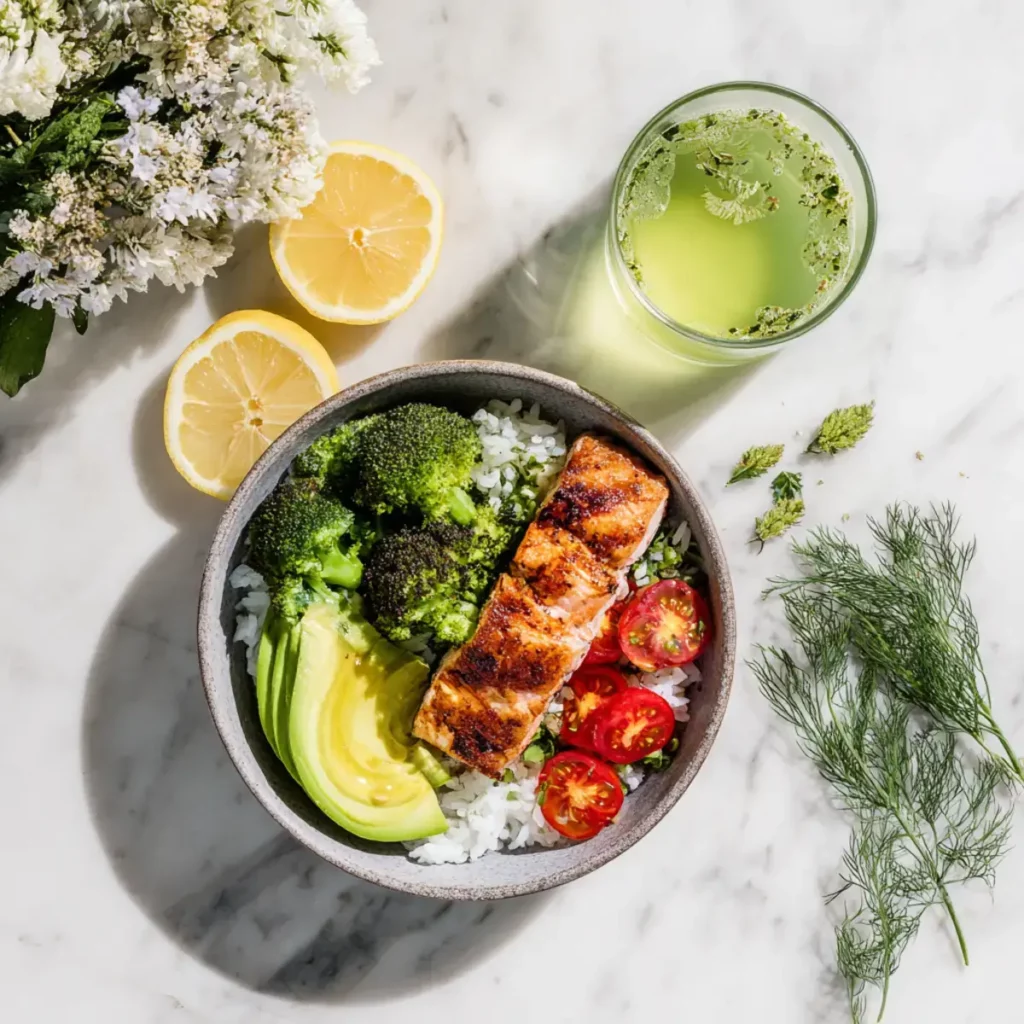
If you are using peptides for weight loss, whether GLP-1 receptor agonists, collagen peptides, or other peptide-based protocols, what you eat matters just as much as the peptide itself. Many people focus entirely on the medication or supplement and overlook the single most controllable variable: their daily diet.
 Save
This guide is for anyone who wants to understand how food choices interact with peptide therapies, which nutrients amplify results, and what meals actually make the process easier and more sustainable. Whether you are just starting out or hitting a plateau, the right food strategy can make a real difference.
Table of Contents
What Are Peptides and How Do They Support Weight Loss
Peptides are short chains of amino acids, the building blocks of protein. In the context of weight loss, the most commonly discussed are GLP-1 receptor agonists (like semaglutide and tirzepatide), collagen peptides, and bioactive food-derived peptides.
GLP-1 peptides work by slowing gastric emptying, reducing appetite, and improving insulin sensitivity. Collagen peptides support lean muscle retention, skin elasticity, and joint recovery during fat loss. Food-derived peptides from eggs, fish, and dairy have been shown in research to have mild appetite-suppressing and metabolic effects.
The common thread: peptides work through amino acid signaling pathways, which means your body's access to the right proteins and cofactors directly influences how well any peptide performs. Eating in a way that supports peptide activity is not optional. It is the foundation.
Why Your Diet Amplifies or Undermines Peptide Therapy
GLP-1-based peptides reduce hunger, but they do not choose what you eat. If reduced appetite leads you toward smaller portions of nutrient-poor food, you risk muscle loss, micronutrient deficiency, and metabolic slowdown. The research is clear: people who pair peptide therapy with high-protein, fiber-rich, whole-food diets lose significantly more fat while preserving lean mass compared to those who simply eat less of whatever they were eating before.
Three key diet priorities emerge from the research:
1. High protein intake. Peptides reduce calorie intake. Protein protects muscle. Aim for 1.2 to 1.6 grams of protein per kilogram of body weight daily.
2. Fiber and gut health. GLP-1 is produced in the gut. A fiber-rich diet feeds the microbiome that stimulates natural GLP-1 secretion, complementing the peptide effect.
3. Nutrient density over calorie density. Every bite counts more when you are eating less. Whole foods, lean proteins, healthy fats, and vegetables should dominate your plate.
For a broader look at recipes built around these principles, the 22 Best Homemade Weight Loss Recipes That Actually Work roundup is a strong starting point.
The Best Food Categories to Eat on Peptides
Lean Proteins
Protein is the non-negotiable cornerstone of any peptide-supported diet. It preserves muscle, increases satiety, and has the highest thermic effect of any macronutrient, meaning your body burns more calories simply digesting it.
Best sources: chicken breast, eggs, shrimp, salmon, cod, cottage cheese, Greek yogurt, and lean beef.
Fiber-Rich Vegetables
Vegetables like broccoli, spinach, zucchini, cabbage, and leafy greens are high in fiber and low in calories. Fiber slows digestion, supports the gut microbiome, and blunts blood sugar spikes that can work against peptide function.
Healthy Fats
Avocado, olive oil, nuts, and fatty fish provide omega-3s and fat-soluble vitamins that support hormone production and reduce inflammation.
Collagen-Boosting Foods
Bone broth, gelatin, eggs, and vitamin C-rich vegetables help the body synthesize collagen naturally. If you are taking collagen peptides specifically, these foods amplify the effect.
The 11 Best Homemade Weight Loss Drinks Detox and Energy guide covers several beverages that support hydration and metabolic function alongside a peptide protocol.
High-Protein Breakfast Recipes That Support Peptide Results
Starting the day with protein stabilizes blood sugar, reduces mid-morning cravings, and sets the tone for the appetite control that peptides are already providing. These recipes are satisfying but not heavy.
1. High-Protein Mug Cake
 Save
When reduced appetite makes a full breakfast feel like too much, this mug cake is a practical, protein-forward option that takes under five minutes. Made with protein powder, eggs, and a small amount of almond flour, it delivers a meaningful protein hit without a heavy feel. It is ideal for mornings when you want something satisfying but light, which is exactly the situation many people find themselves in during the first weeks of peptide therapy.
Key ingredients: protein powder, egg, almond flour, unsweetened cocoa Benefits: high protein, low volume, no prep stress Who it is for: people with reduced morning appetite on GLP-1 peptides
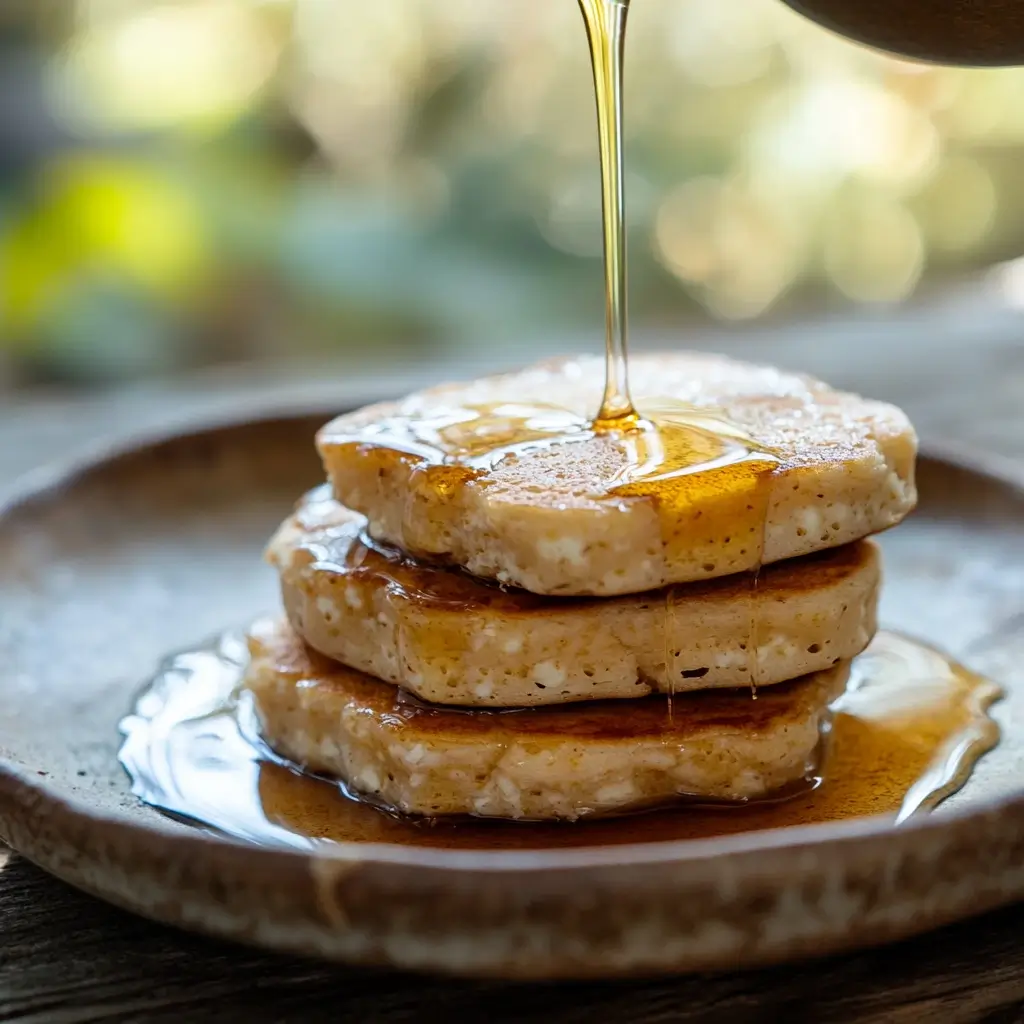
2. Cottage Cheese Gluten Free Pancakes
 Save
Cottage cheese is one of the most underrated protein sources for people on peptide protocols. It is high in casein protein, which digests slowly and provides sustained satiety. These pancakes use cottage cheese as the base, keeping carbs moderate and protein high. They are soft, filling, and easy to prepare in batches for the week.
Key ingredients: cottage cheese, eggs, oat flour, vanilla Benefits: casein protein for sustained satiety, gut-friendly, easy batch prep Who it is for: anyone wanting a satisfying breakfast that does not feel like a diet meal
3. Egg Bites Recipe No Cottage Cheese
 Save
Eggs are among the most bioavailable protein sources available, and they contain choline, a nutrient that supports fat metabolism and liver health. These egg bites are portioned perfectly for someone whose appetite is suppressed. You can customize the fillings, refrigerate them for three to four days, and grab them on your schedule without any preparation pressure.
Key ingredients: eggs, cream cheese, vegetables of choice, herbs Benefits: portable, high protein, supports fat metabolism via choline Who it is for: meal preppers and anyone managing reduced appetite on peptides
Lean Protein Lunch Recipes to Maintain Muscle on Peptides
Lunch is where many people on peptide therapy under-eat and under-protein because appetite suppression is often strongest midday. These recipes are designed to deliver meaningful protein in a format that does not feel forced.
4. Zesty Lime Shrimp and Avocado Salad
 Save
Shrimp is an exceptional protein source for anyone on a peptide protocol. It is lean, high in iodine for thyroid support, and very low in calories relative to its protein content. Combined with avocado for healthy fats and fiber, this salad delivers a nutritionally complete lunch that feels fresh rather than heavy. The lime dressing is bright and appetite-stimulating, which can be useful when hunger is difficult to find.
Key ingredients: shrimp, avocado, cucumber, red onion, lime, cilantro Benefits: lean protein, thyroid-supporting iodine, healthy fats Who it is for: anyone wanting a light but complete lunch that supports body composition goals
5. Apple Almond Shrimp Salad
 Save
This is a more substantial shrimp salad with a mix of textures that makes eating feel enjoyable even when appetite is suppressed. The almonds add magnesium and healthy fats, the apple contributes fiber and natural sweetness, and the shrimp anchors the protein content. It is a recipe that tastes indulgent without working against your goals.
Key ingredients: shrimp, apple, sliced almonds, mixed greens, light dressing Benefits: magnesium for insulin sensitivity, fiber from apple, complete protein Who it is for: people who need lunch to feel like a treat rather than an obligation
6. Caesar Salad Dressing Low Calorie
 Save
A good dressing can make the difference between eating a salad and skipping lunch entirely. This lighter Caesar dressing brings the classic flavor profile with a fraction of the calories. Pair it with grilled chicken and romaine for a protein-dense, filling lunch that fits comfortably into a reduced-calorie day without feeling like a sacrifice.
Key ingredients: Greek yogurt base, lemon, garlic, anchovy paste, Parmesan Benefits: low calorie, probiotic from yogurt base, supports appetite without excess fat Who it is for: anyone building consistent lunch habits around a peptide protocol
High-Protein Dinner Recipes for Body Composition on Peptides
Dinner is often the meal people have the most control over, and it is the best opportunity to prioritize quality protein and vegetables. These recipes are satisfying but not calorie-dense, making them well suited for smaller portions.
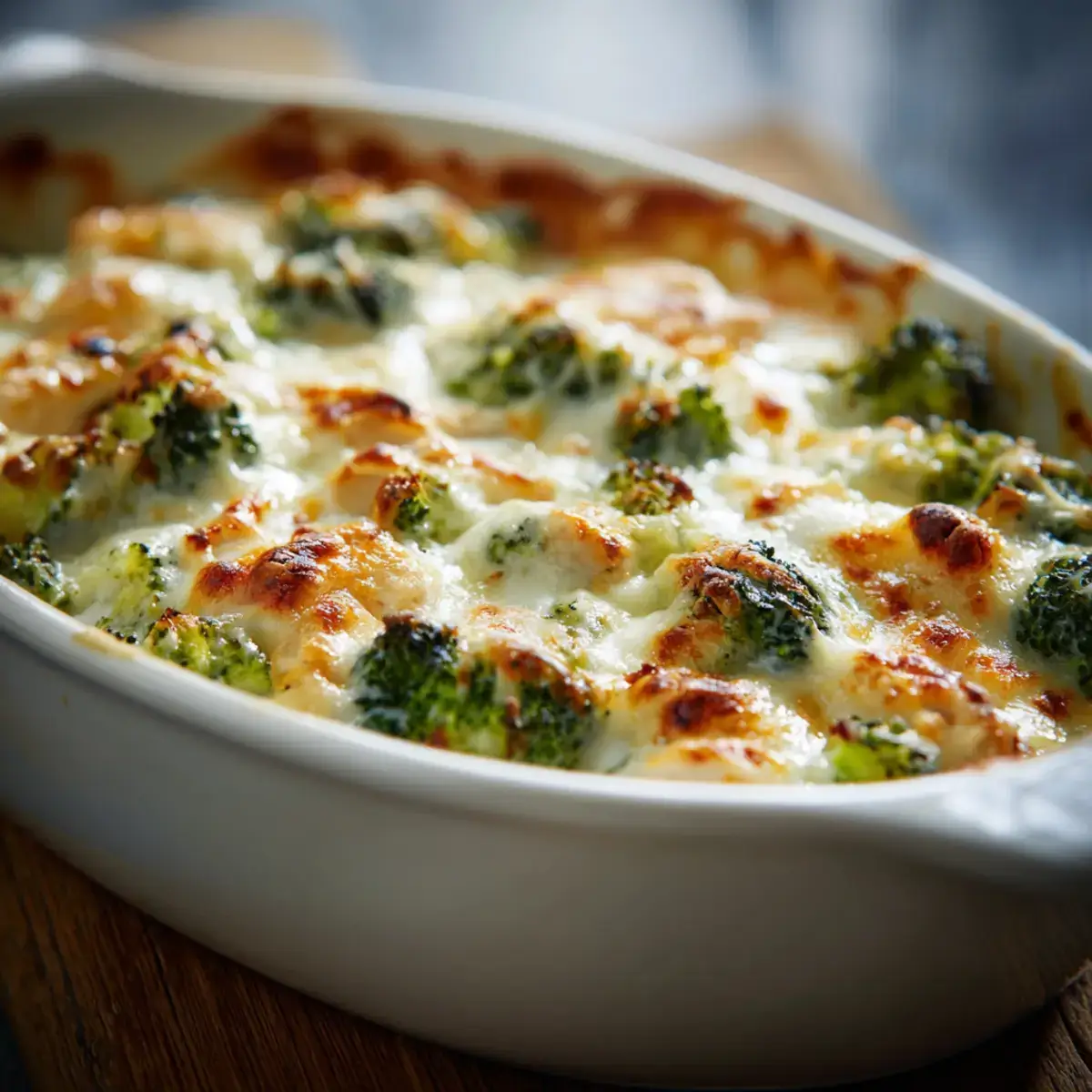
7. Low Carb Chicken Broccoli Alfredo Bake
 Save
This is one of the most practical dinners for people on peptide protocols. It is low in carbohydrates, high in protein from chicken and cheese, and loaded with broccoli, which is one of the best vegetables for supporting liver detoxification pathways involved in fat metabolism. The creamy texture makes smaller portions feel genuinely satisfying, which is important when your appetite gives you less feedback than usual.
Key ingredients: chicken breast, broccoli, cream cheese, Parmesan, garlic Benefits: high protein, cruciferous vegetable benefits, very low carb Who it is for: anyone following a low-carb approach alongside peptide therapy
For a companion recipe in a different format, Yummy Chicken Thigh Recipes offers more lean protein dinner options.
8. Traeger Salmon Recipe
 Save
Salmon is the most complete protein for people using collagen peptides because it delivers both high-quality protein and omega-3 fatty acids that reduce the inflammation that slows fat loss. The omega-3s also support brain health and mood, which matters because appetite restriction can sometimes affect energy and mental clarity. This smoked salmon recipe is simple to prepare and impressive to eat.
Key ingredients: salmon fillet, olive oil, lemon, herbs, garlic Benefits: omega-3s for inflammation, complete protein, supports mood and energy Who it is for: people using collagen or GLP-1 peptides who want to maximize anti-inflammatory benefits
9. Mushroom and Spinach Zucchini Lasagna Loaf
 Save
For anyone wanting a plant-forward dinner that still hits meaningful nutrient targets, this zucchini lasagna is an excellent option. Zucchini replaces pasta for a very low carb base. Spinach provides iron and folate. Mushrooms contribute beta-glucans that feed the gut microbiome and naturally stimulate GLP-1 secretion, which can complement GLP-1 peptide therapy directly.
Key ingredients: zucchini, mushrooms, spinach, ricotta, tomato sauce Benefits: gut microbiome support via mushroom beta-glucans, high fiber, iron from spinach Who it is for: those wanting a vegetable-focused dinner that supports natural GLP-1 production
Gelatin and Collagen Peptide Recipes That Directly Support the Protocol
Gelatin is a cooked form of collagen and provides the same glycine, proline, and hydroxyproline amino acids as collagen peptide supplements. Eating these foods alongside collagen peptide supplementation creates a synergistic effect. Many of these recipes have also gained traction as part of weight loss protocols online.
10. 3 Ingredient Gelatin Recipe for Weight Loss
 Save
This is one of the simplest ways to add collagen amino acids to your daily routine. Three ingredients, minimal preparation, and the result is a low-calorie, protein-containing snack or dessert that supports skin, joints, and gut lining integrity. For anyone on a collagen peptide protocol, this kind of recipe bridges the gap between supplementation and whole food eating.
Key ingredients: gelatin, fruit juice or flavored liquid, collagen-boosting additions Benefits: collagen amino acid support, very low calorie, gut lining integrity Tips: use tart cherry juice for an anti-inflammatory version
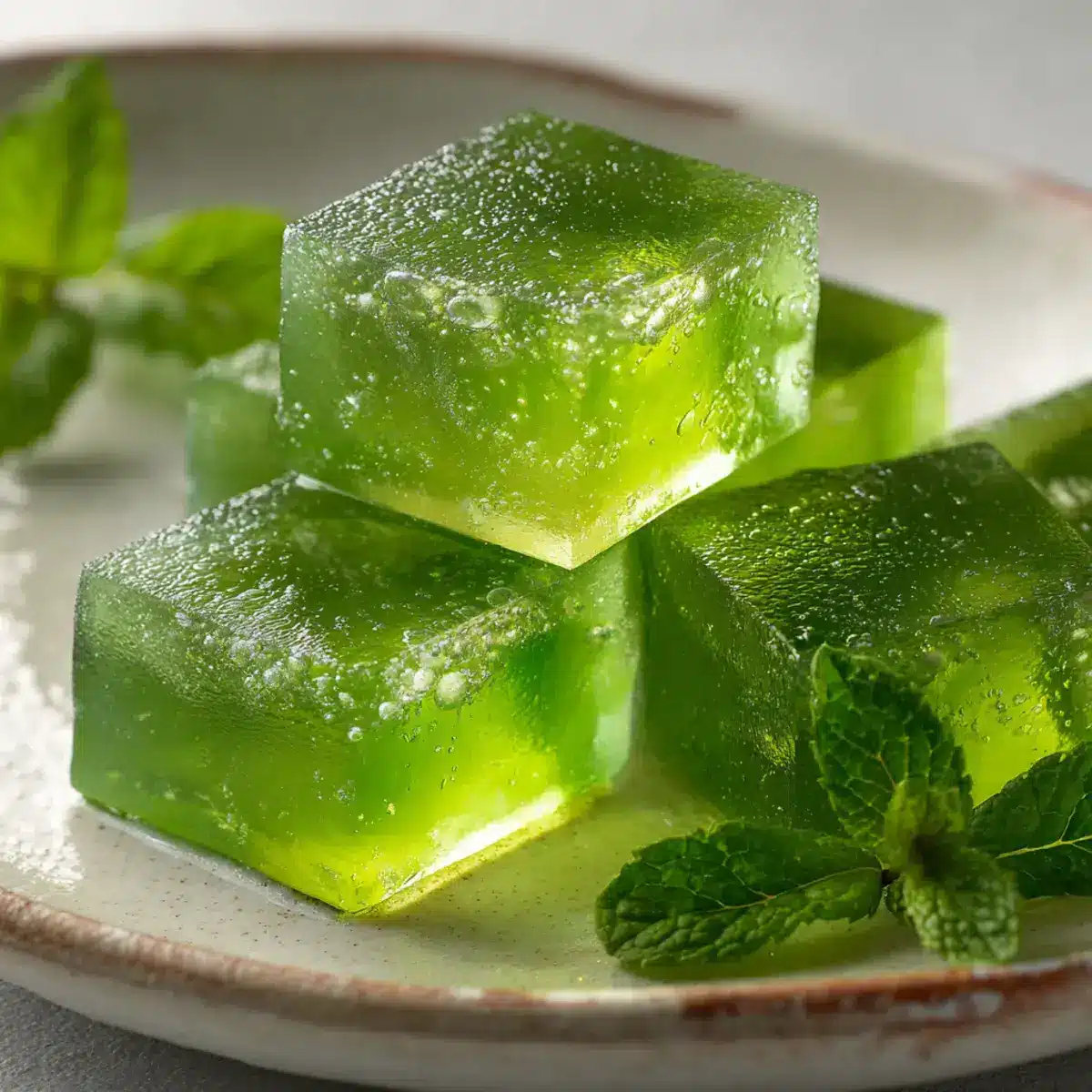
11. Green Tea Gelatin Recipe for Weight Loss
 Save
Green tea contains EGCG, a catechin that has been shown to support fat oxidation and insulin sensitivity. Combining green tea with gelatin creates a recipe that addresses multiple mechanisms simultaneously: collagen amino acids from the gelatin, antioxidants from the green tea, and appetite management from the volume and mild caffeine. It is a small but consistent habit that adds up over time.
Key ingredients: brewed green tea, gelatin, optional honey or lemon Benefits: EGCG for fat oxidation, antioxidants, collagen support, appetite management Who it is for: anyone using collagen peptides or seeking a metabolically supportive daily habit
12. Bariatric Gelatin Recipe for Weight Loss
 Save
This recipe was developed with the needs of people managing significant calorie restriction in mind, which makes it directly applicable to anyone on a GLP-1 peptide protocol with strong appetite suppression. It focuses on maximizing protein and nutrient content within a very small volume, helping to prevent the deficiencies that can develop when overall food intake drops significantly.
Key ingredients: protein-enriched gelatin, electrolyte additions, collagen powder Benefits: high protein in small volume, prevents deficiency, easy on the digestive system Who it is for: anyone experiencing strong appetite suppression and wanting to protect nutrition status
Weight Loss Drinks and Tonics to Pair With Peptide Protocols
Hydration is often overlooked during peptide therapy, but nausea, a common side effect in early weeks, can reduce fluid intake at exactly the wrong time. These drinks support hydration, metabolic function, and in some cases direct GLP-1 pathway activity.
13. Japanese Mounjaro Recipe
 Save
This drink has circulated online as a food-based companion to GLP-1 therapies. It typically combines ingredients like matcha, ginger, lemon, and apple cider vinegar, all of which have individual evidence for supporting blood sugar regulation and appetite signaling. While it does not replace a peptide, it fits cleanly into a protocol-supportive lifestyle and is genuinely pleasant to drink.
Key ingredients: matcha, ginger, lemon, apple cider vinegar, water Benefits: blood sugar regulation, appetite signaling support, hydration with functional ingredients Who it is for: people looking to reinforce their peptide protocol through daily habit beverages
14. Natural Mounjaro Recipe
 Save
A variation on the theme, this natural version focuses on whole food ingredients with stronger anti-inflammatory properties. Turmeric and black pepper appear in many versions, which together support the bioavailability of curcumin, a compound with documented effects on metabolic inflammation. It is a functional beverage that earns its place in a peptide-supportive meal plan.
Key ingredients: turmeric, ginger, lemon, apple cider vinegar, black pepper Benefits: anti-inflammatory curcumin, metabolic support, digestive support from ginger Who it is for: anyone dealing with inflammation-related weight loss resistance alongside peptide therapy
15. Lemon Water Cayenne Pepper
 Save
Capsaicin from cayenne pepper has been studied for its ability to temporarily increase metabolic rate and reduce appetite through TRPV1 receptor activation. Combined with lemon for vitamin C and hydration, this is one of the simplest functional drinks you can make. It pairs well with any morning routine and complements the appetite reduction already happening through peptide therapy.
Key ingredients: filtered water, fresh lemon juice, cayenne pepper Benefits: capsaicin for metabolism, vitamin C, hydration Tips: start with a small pinch of cayenne and increase gradually
For a broader selection, 11 Best Homemade Weight Loss Drinks Detox and Energy lists additional options across different taste profiles.
Foods to Minimize or Avoid While on Peptide Therapy
Certain foods create specific problems during peptide therapy that go beyond general dietary advice.
Ultra-processed foods. These are often engineered to override satiety signals, including the GLP-1-mediated appetite reduction peptides are designed to create. Regular consumption can blunt the effectiveness of your protocol.
High-fat, high-calorie combinations. Foods high in both fat and refined carbohydrates, like pastries, fried foods, and fast food, are particularly problematic because they are calorie-dense while providing little protein or fiber. With a reduced appetite, every calorie should be earning its place.
Excessive alcohol. Alcohol disrupts blood sugar regulation, impairs sleep quality, increases appetite the following day, and directly interferes with the liver metabolism that underpins fat loss.
Very low fiber diets. Fiber feeds gut bacteria that produce short-chain fatty acids, which stimulate endogenous GLP-1 production. A fiber-poor diet undermines the gut pathway that natural and pharmaceutical GLP-1 both rely on.
The Cabbage Soup Diet is worth mentioning here as a high-fiber, low-calorie option that some people incorporate for a short reset phase during peptide protocols.
Meal Planning Strategy for Peptide-Supported Weight Loss
The goal of meal planning on a peptide protocol is simple: hit your protein target and your fiber target every single day, within whatever calorie range your reduced appetite creates. Structure helps when hunger is unreliable as a guide.
A practical framework:
Breakfast: 25 to 35 grams of protein. Choose a recipe that is low volume but protein-dense, like the egg bites or mug cake options above.
Lunch: A protein plus a large volume of vegetables. Salads built around shrimp or chicken work well because they feel satisfying even in moderate portions.
Dinner: Your largest and most complete meal. Prioritize a full serving of lean protein, one to two cups of vegetables, and a small amount of healthy fat.
Snacks: Gelatin recipes, a handful of almonds, or a protein shake on days when appetite makes hitting protein targets difficult.
Best Protein Shake Recipes is a useful reference for filling protein gaps without adding cooking complexity.
FAQ: Peptides for Weight Loss and Diet
If you love wellness snacks, check out this gelatin satiety trick.
If you love wellness recipes, do not miss this diabetes-friendly recipe.
If you love easy recipes, do not miss this baking soda weight loss drink.
If you love simple wellness drinks, do not miss this lemon baking soda ice drink.
If you follow food news, do not miss this Straus ice cream recall details.
Do I need to follow a specific diet while taking GLP-1 peptides?
Can I eat collagen-boosting foods instead of taking collagen peptide supplements?
How much protein should I eat while on peptide therapy?
Does fiber intake affect how well GLP-1 peptides work?
Are there specific foods that naturally stimulate GLP-1 production?
What should I eat when nausea from peptides reduces my appetite significantly?
Can what I eat affect collagen peptide absorption?
Is intermittent fasting compatible with peptide therapy?
Conclusion
Peptides for weight loss work best when the diet supports what they are trying to do. GLP-1 peptides suppress appetite, and the right foods ensure that reduced appetite leads to fat loss rather than muscle wasting and nutrient deficiency. Collagen peptides support connective tissue and lean mass, and the foods you eat can directly amplify or undermine their effects.
The practical message is this: eat enough protein every day, prioritize fiber from vegetables and whole foods, stay hydrated, and build a small number of recipes you actually enjoy so that consistency is easy.
The recipes in this guide were chosen because they are practical, protein-forward, and genuinely satisfying even at smaller portions. Start with two or three, build the habit, and adjust from there.
For more recipe ideas and inspiration, follow along on Facebook and Pinterest.
Comments
Leave a comment
Your email will not be published. New comments are reviewed before appearing.