



This Dementia prevention spice blend recipe combines four science-backed spices into one easy, daily ritual that actively supports long-term brain health. These spices work together to fight inflammation, support healthy blood flow, and protect neurons from oxidative stress. It takes under 5 minutes, uses pantry staples, and fits naturally into a brain-supportive, Mediterranean diet eating pattern.
⚕️ Medical Disclaimer: This article is for informational and entertainment purposes only and does not constitute medical advice. The recipes and information on this page are not intended to diagnose, treat, cure, or prevent any disease or health condition. Any references to medical professionals, public figures, or research are for context only and do not imply endorsement. Always consult a qualified healthcare provider before making changes to your diet, especially if you have a medical condition or take medication.
 Save
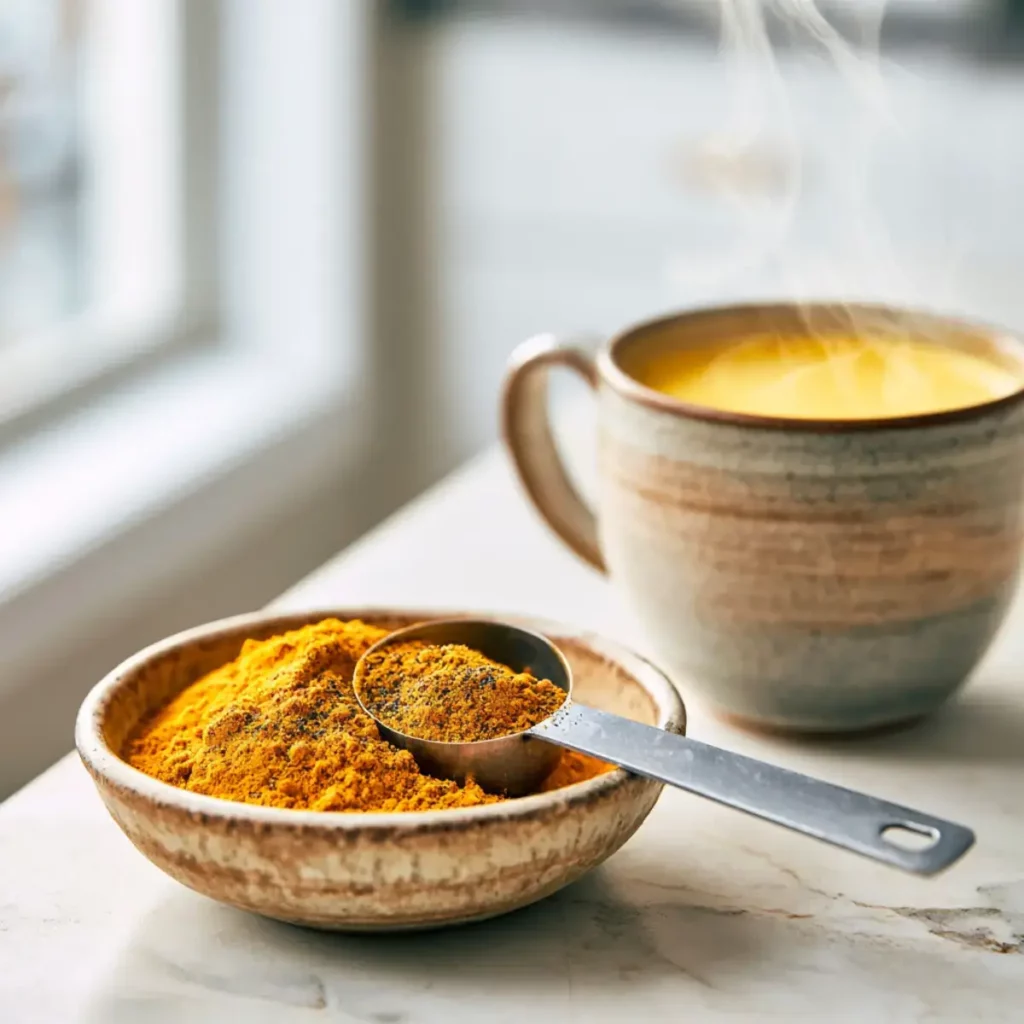
Mix it into your morning oatmeal, warm milk, or smoothie and start protecting your mind today.
I want to tell you something that changed how I think about my spice cabinet. My grandmother lived to 91 with a sharp, clear mind. She cooked Indian food every single day, and turmeric, ginger, and cinnamon always sat on her counter. I never connected the dots until I started reading brain health research. Then it hit me. She was making a version of a dementia prevention spice blend every day without even knowing it.
That memory sent me down a rabbit hole. I read peer-reviewed studies, talked to nutritionists, and tested blends in my own kitchen for weeks. What I landed on is this four-spice mix rooted in real research and grounded in the same food philosophy as the Mediterranean diet, one of the most studied dietary patterns for brain protection. This dementia prevention spice blend recipe is simple, honest, and backed by actual science rather than social media hype.
So let's get into it.
What Is the Dementia Prevention Spice Blend Recipe
The dementia prevention spice blend is a four-spice dry mix of turmeric, cinnamon, ginger, and black pepper, taken in small daily doses. The blend draws on research showing that curcumin, cinnamaldehyde, gingerol, and piperine may help support brain health by reducing inflammation, improving blood flow to the brain, and protecting neurons from oxidative stress.
It's worth being honest about what this blend can and cannot do. No spice blend prevents or reverses dementia in the way viral marketing sometimes suggests. What it can do is add anti-inflammatory and antioxidant compounds to your daily diet, support steadier blood sugar, and pair well with the foods that carry stronger brain-health evidence, like leafy greens, berries, fatty fish, nuts, and olive oil. Think of it as one supportive piece of a larger, brain-healthy lifestyle.
This is the spirit of the Mediterranean diet approach, which emphasizes whole foods, herbs, and spices as part of an overall pattern rather than as standalone cures. A 2025 meta-analysis published in GeroScience reviewed 23 studies and found that adherence to the Mediterranean diet is associated with an 11 to 30 percent reduction in the risk of age-related cognitive disorders, including cognitive impairment, dementia, and Alzheimer's disease. This spice blend connects to that same dietary philosophy.
What Each Spice Brings to the Blend
Here's a quick look at the four core spices and what each one contributes:
| Spice | Key Compound | Brain Health Role |
|---|---|---|
| Turmeric | Curcumin | Reduces neuroinflammation, helps clear amyloid plaques |
| Ceylon Cinnamon | Cinnamaldehyde | Supports blood sugar balance and cerebral blood flow |
| Ginger | Gingerol | Anti-inflammatory, antioxidant support |
| Black Pepper | Piperine | Increases curcumin absorption by up to 2,000 percent |
| Cayenne (optional) | Capsaicin | Supports healthy circulation and blood flow to the brain |
A review published in PMC examined the role of five commonly used dietary spices, including turmeric, cinnamon, ginger, and the pepper family, showing they may act as antioxidants and inhibit acetylcholinesterase and amyloid-beta aggregation, two key pathological processes in Alzheimer's disease. Every ingredient in this recipe earns its place.
Why Black Pepper Is Non-Negotiable
Black pepper contains piperine, which has been shown to increase curcumin absorption by as much as 2,000 percent. Without black pepper, most of the turmeric you eat passes through your body unused. This one small addition transforms the effectiveness of the entire blend. Don't skip it.
Why You'll Love This
This isn't a complicated supplement stack or an expensive powder you order once and forget. It's a simple, honest blend you put together in your own kitchen. Here's why it keeps showing up on real people's counters every morning.
It's Effortless and Budget-Friendly
This blend takes 3 minutes to make and lasts about 6 weeks in your spice cabinet. It uses only four pantry spices, all easy to find in any US grocery store. You measure them into a bowl, whisk, and store. One batch gives you roughly 30 daily servings. After that, the whole thing costs less than a single specialty supplement capsule.
It's also naturally vegan, gluten-free, dairy-free, and sugar-free, so it fits into almost every eating style without modification.
The Science Is Real, Even If It's Not Magic
Research shows that herbs and spices like turmeric, cinnamon, and ginger contain powerful compounds that reduce inflammation, increase blood flow, and protect brain cells from oxidative stress. These effects can improve memory, focus, and mood while lowering the risk of age-related cognitive decline. That's not a small thing.
Cinnamon, for example, promotes greater blood flow to the brain, and increased cerebral blood flow is associated with better memory, particularly in older adults. It also shows properties that help inhibit tau aggregation, a hallmark pathology of Alzheimer's disease. Research shows that turmeric contains curcumin, which breaks up existing amyloid plaques and inhibits new plaque formation, a process directly linked to Alzheimer's progression.
It Fits Naturally Into Your Daily Routine
You can stir it into oatmeal, blend it into a smoothie, whisk it into warm milk, or add a pinch to soup. The versatility is something I genuinely love about this recipe. The moment a warm, spiced mug hits your hands on a cold morning, you understand why this habit sticks. It also connects beautifully to a broader brain-healthy approach, especially when you pair it with dishes like this spicy ginger mushroom soup that already packs anti-inflammatory ingredients into every bowl.
It also works as a soothing daily ritual when blended into a warming wellness tea bomb for a calming evening wind-down your whole system will appreciate.
How to Make the Dementia Prevention Spice Blend
Quick Overview
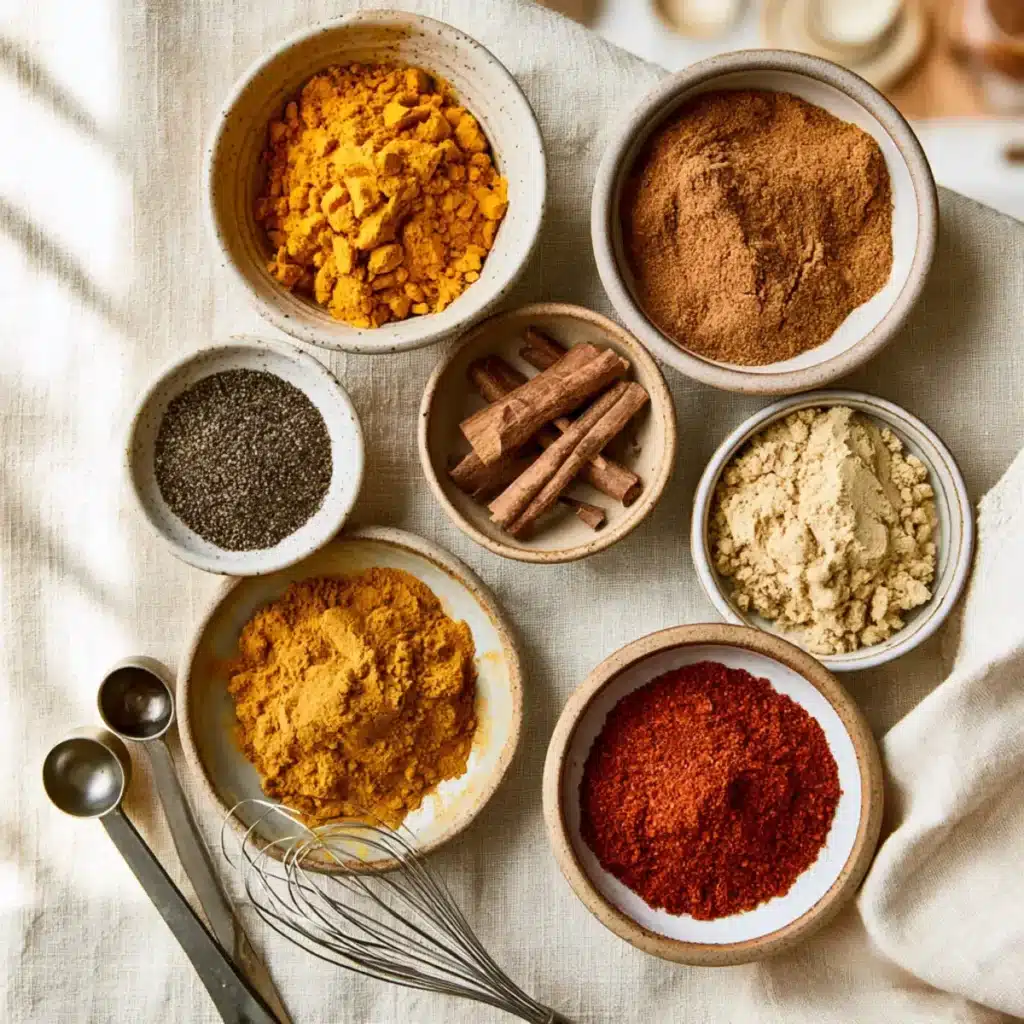
This is a dry mix recipe, meaning there's zero cooking involved. You measure four spices into a bowl, whisk until uniform, transfer to a glass jar, and store. One batch lasts roughly six weeks at a half-teaspoon daily serving. Total hands-on time: under 5 minutes.
 Save
Ingredients
- 3 tablespoons ground turmeric (organic preferred, brands like Simply Organic or Frontier Co-op are reliable)
- 1 tablespoon Ceylon cinnamon (not cassia, labeled "true cinnamon" at Whole Foods or Sprouts)
- 1.5 teaspoons ground ginger
- 1 teaspoon ground black pepper
- 1/2 teaspoon cayenne pepper (optional, adjust to your heat tolerance)
A note on Ceylon vs. cassia cinnamon
Cassia cinnamon, the common supermarket type, contains higher levels of coumarin, which in large daily amounts can be hard on the liver. Ceylon cinnamon has far lower coumarin levels and is the safer choice when you use cinnamon every day. Look for it labeled "true cinnamon" or "Ceylon" at Whole Foods, Sprouts, or any Indian grocery store.
Step-by-Step Instructions
- Measure the spices: Add all five spices into a small mixing bowl.
- Whisk together: Whisk until the color is fully uniform with no visible streaks of turmeric or cinnamon.
- Transfer to a jar: Pour the blend into a clean, dry glass spice jar with a tight-fitting lid.
- Label the jar: Write today's date on the jar so you track freshness.
- Store properly: Place the jar on a cool, dark pantry shelf away from heat and direct sunlight.
- Serve daily: Use 1/2 teaspoon per day, stirred into warm milk, oatmeal, yogurt, soup, or a smoothie.
Start with 1/2 teaspoon of the dry blend per day mixed into food or a warm drink. It also makes a wonderfully brain-supportive topping when sprinkled over a bowl of savory cottage cheese egg muffins for a quick, protein-rich morning meal.
What to Serve the Dementia Prevention Spice Blend With
The real power of this blend shows up in daily, consistent use, so the serving ideas matter. Here are the pairings that work best and actually stick as habits.
Warm Drinks
Golden milk
Warm up 1 cup of your preferred milk (dairy, oat, or coconut all work), whisk in 1/2 teaspoon of the spice blend, and sweeten with honey or maple syrup to taste. Drink it warm. It's calming, slightly sweet, and genuinely delicious. This is the most popular daily vehicle for this blend, and it's easy to see why.
Morning coffee or tea
Stir a small pinch into your regular coffee or black tea. The spice flavor disappears into the roasted notes, and you get the brain-health benefit without changing your routine at all.
Breakfast Foods
Oatmeal
Add 1/2 teaspoon to a bowl of cooked oats along with fresh blueberries and a drizzle of raw honey. The warm spice layers beautifully with the fruit's natural sweetness, and you get antioxidants from every direction.
Eggs and toast
A pinch whisked into scrambled eggs with garlic and olive oil makes a savory Mediterranean-inspired breakfast that fits naturally into a brain-healthy morning. Spread a little cinnamon honey butter on whole grain toast alongside it for something warm and genuinely satisfying.
Soups and Savory Dishes
Savory soups take the blend remarkably well. Stir it into lentil soup, butternut squash soup, or a simple homemade chicken noodle for a quiet warming depth and a steady brain-health boost at dinner. The spice blend also disappears into white bean and spinach soup in the most wonderful way, with the turmeric adding a golden color and gentle earthiness that makes the whole bowl feel nourishing.
Smoothies
Blend it with frozen banana, mango, coconut milk, and a handful of fresh spinach for a golden smoothie that packs antioxidants from multiple directions. The ginger and turmeric blend especially well with tropical flavors, so don't be shy about experimenting.
Top Tips for Perfecting Your Brain Health Spice Blend
The difference between a blend you reach for every day and one that sits forgotten in the back of a drawer comes down to a few small, specific details.
Never Skip the Black Pepper
This is the most common mistake. Black pepper contains piperine, which has been shown to increase curcumin absorption by as much as 2,000 percent. Without it, most of the turmeric passes through your body unused. That one teaspoon completely transforms the effectiveness of the entire recipe. It's non-negotiable.
Invest in Quality Turmeric
Conventional grocery store turmeric varies widely in curcumin content. Brands like Simply Organic, Frontier Co-op, or 24 Mantra offer reliable quality. Indian grocery stores often carry excellent-quality bulk turmeric at a much lower price per ounce than standard supermarkets, so that's worth checking if you have one nearby.
Always Pair with a Fat Source
Curcumin absorbs significantly better in the presence of fat. Stir the blend into coconut milk, oat milk with a splash of olive oil, or full-fat yogurt rather than plain water. This small step makes the daily habit meaningfully more effective from a bioavailability standpoint.
Start Small with Cayenne
If you have a sensitive stomach or you're new to daily capsaicin, start with just 1/4 teaspoon and work up gradually. You still get the circulation benefits at a lower dose, and your digestive system will thank you for the slower introduction.
Use Glass, Not Plastic
Glass jars protect the potency of the spices far better than plastic containers. Keep the jar sealed tight and stored away from your stove or any consistent heat source. A closed cabinet or pantry drawer is ideal.
Storing and Reheating Tips
Dry spice blends store beautifully when you treat them right. Here's everything you need to know to keep this blend effective and fresh.
How to Store the Dry Blend
A glass spice jar with a tight lid on a cool pantry shelf works best. Label your jar with the date you mixed it. The blend lasts about 6 weeks in your spice cabinet. After that point, the spices begin losing potency, especially the turmeric and ginger. You don't have to discard it at six weeks, but a fresh batch keeps your daily dose genuinely effective and the flavors bright.
Keep the jar away from heat, steam, and direct sunlight. This means away from the stovetop, dishwasher vent, and any south-facing window shelves. A closed cabinet or pantry drawer is the ideal storage spot.
How to Store Prepared Drinks and Dishes
There's no reheating needed for the dry blend itself, but if you've already mixed it into golden milk or oatmeal, those store in the fridge for up to 2 days. Reheat gently on the stovetop over low heat or in 30-second microwave intervals. Don't boil prepared golden milk after it's already been made, since high heat degrades some of the beneficial compounds.
If you stir the blend into a batch of soup, leftovers keep in an airtight container in the fridge for up to 4 days. The spice flavors actually deepen overnight, making the second-day serving even more satisfying.
Gifting the Blend
Batch-making this blend also makes it a thoughtful, genuinely useful gift. Portion it into small glass jars with a handwritten label noting the date and daily dose instructions, and it becomes one of those rare presents people actually use. A brain health spice blend says "I care about you" in the most practical, honest way.
Does this dementia prevention spice blend actually prevent dementia?
Why does this recipe call for Ceylon cinnamon specifically?
How does black pepper make turmeric more effective?
Is this spice blend safe to use every day?
Can I make this recipe ahead of time?
This dementia prevention spice blend recipe is one of those small daily habits that feels completely manageable yet connects to something genuinely meaningful. You mix four spices in a bowl, pour them into a jar, and add a half teaspoon to your morning routine. That's it. Over weeks and months, that quiet, consistent habit layers into your overall brain-healthy lifestyle the same way the Mediterranean diet works, not through dramatic intervention but through steady, nourishing choices made every single day.
Go mix your first batch right now. Your future self will appreciate the few minutes you took today.
Share this recipe with someone you love on Facebook or save it for later on Pinterest. And if you want to read more about the research behind dietary lifestyle choices and brain health, the Alzheimer's Association offers a reliable, evidence-based guide to the lifestyle factors that support cognitive health long term.
Dementia Prevention Spice Blend Recipe
Print recipe Save
This dementia prevention spice blend recipe combines turmeric, Ceylon cinnamon, ginger, black pepper, and cayenne into one simple, research-backed dry mix that supports brain health every day. Ready in 5 minutes. Lasts 6 weeks. Naturally vegan, gluten-free, and sugar-free.
- Prep time
- 5
- Cook time
- 2
- Total time
- 5
- Yield
- About 1/3 cup (30 servings of 1/2 tsp each)
Ingredients
3 tablespoons ground turmeric (organic preferred) 1 tablespoon Ceylon cinnamon (not cassia) 1.5 teaspoons ground ginger 1 teaspoon ground black pepper 0.5 teaspoon cayenne pepper (optional, adjust to taste)Instructions
- Measure spices: Measure all five spices into a small mixing bowl.
- Whisk together: Whisk until the color is fully uniform with no visible streaks of turmeric.
- Transfer to jar: Pour the blend into a clean, dry glass spice jar with a tight-fitting lid.
- Label the jar: Write today's date on the label so you can track freshness.
- Store properly: Place the jar on a cool, dark pantry shelf away from heat and sunlight.
- Serve daily: Use 1/2 teaspoon per day stirred into warm milk, oatmeal, yogurt, soup, or a smoothie.
Notes
Start with 1/4 teaspoon daily if you have a sensitive stomach, then work up to 1/2 teaspoon. Always use Ceylon cinnamon for daily use cassia cinnamon contains higher coumarin levels not suited for everyday consumption. Do not skip the black pepper. Piperine increases curcumin absorption by up to 2,000 percent. Pair with a fat source such as coconut milk, oat milk, or full-fat yogurt for better curcumin absorption. Consult your doctor before daily use if you take blood thinners or have digestive conditions. One batch makes approximately 30 servings of 1/2 teaspoon each.Nutrition
- Calories
- 5
- Fat
- 0
- Saturated fat
- 0
- Sugar
- 0
- Sodium
- 1
- Protein
- 0
- Carbohydrates
- 1
- Fiber
- 0.5
Comments
Leave a comment
Your email will not be published. New comments are reviewed before appearing.